

What Is an In-Bond Shipment? Optimizing the Flow of Cross-Border Goods
Moving goods across international borders involves more than just physical transportation, it requires navigating complex customs procedures and regulatory frameworks. For organizations that manage global supply chains, understanding in-bond shipments is essential to maintaining compliance and operational efficiency.
Understanding In-Bond Shipments
An in-bond shipment refers to goods that transit through or within a country without immediate payment of duties or taxes. The goods are considered “in bond” because they remain under the control of customs authorities until they reach their final destination, either for official entry into the domestic market or for export.
In the United States, in-bond shipments are regulated by U.S. Customs and Border Protection (CBP). The in-bond process enables importers, exporters, and carriers to move goods between ports or to bonded facilities while deferring duty payments until the goods are formally entered or exported.
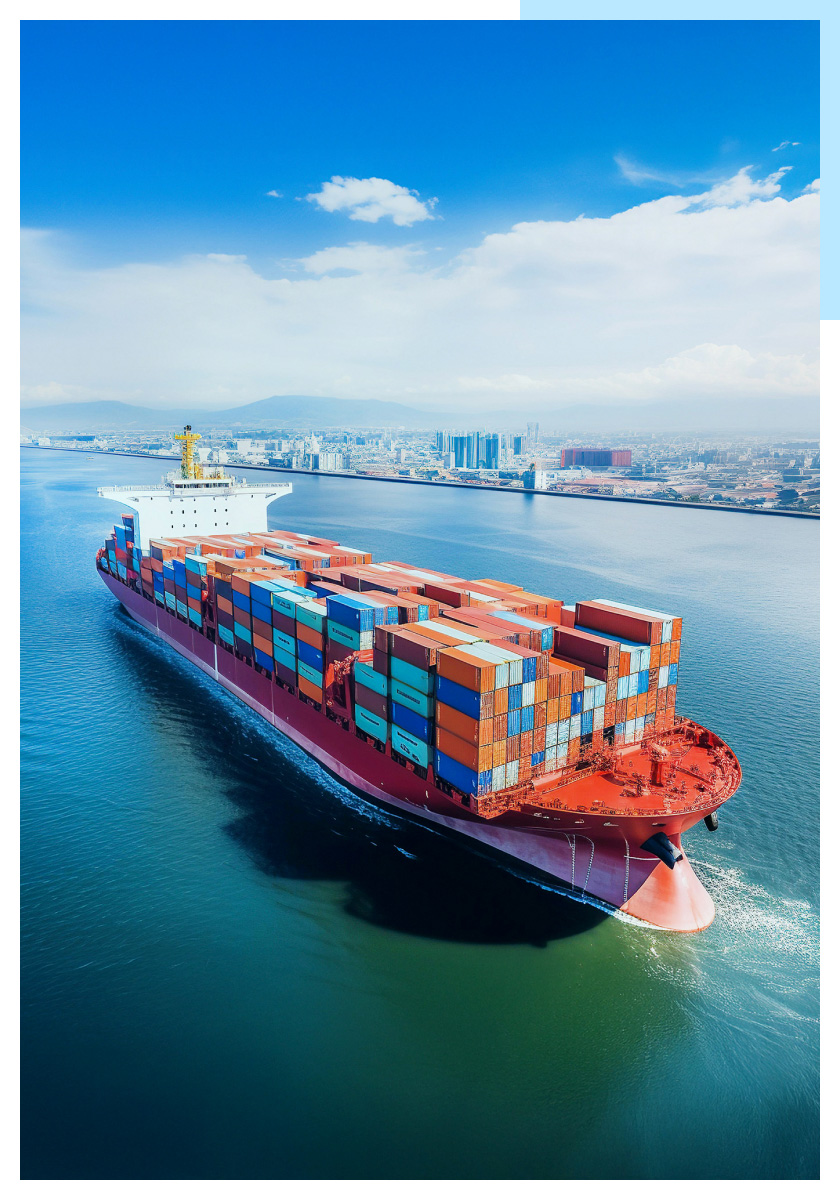

What Are the Types of In-Bond Movements?
There are three primary types of in-bond shipments under CBP regulations:
Immediate Transportation (IT): Allows goods to be transported from the port of arrival to another port where entry will be filed.
Transportation and Exportation (T&E): Permits goods to move through the United States enroute to another country without being formally imported.
Warehouse Entry (IE): Authorizes goods to be stored in a bonded warehouse until they are either entered for consumption or exported.
Each type supports specific logistics strategies, whether consolidating freight, optimizing port utilization, or redirecting goods based on demand and destination.
Why Does the In-bond Process Matter?
The in-bond system delivers several key advantages for global trade participants:




When managed effectively, in-bond shipments enhance supply chain agility while maintaining regulatory integrity.
What Are the Documentation and Compliance Considerations Related to In-bonds?
Managing in-bond shipments requires accurate and timely documentation. The key form—CBP Form 7512 (Transportation Entry and Manifest of Goods Subject to CBP Inspection and Permit)—details the shipment’s origin, route, and destination.
To remain compliant:
✓ Ensure all port codes and bond numbers are correctly recorded.
✓ Close in-bond numbers promptly upon shipment arrival.
✓ Report diversions or cancellations to CBP without delay.
Errors in filing or late closures can result in penalties; shipment holds, and increased inspection rates—making visibility and automation critical to success.
Enabling Efficiency Through Digital Customs Management
Descartes Customs and Regulatory Compliance solution empowers freight forwarders, importer self-filers, and customs brokers to manage in-bond movements with real-time visibility, automated data exchange, and seamless CBP integration.
By leveraging a connected, digital platform, organizations can reduce manual entry, eliminate filing errors, and ensure timely compliance with government regulations—all while accelerating the movement of goods across borders.