

Achieving Advanced Air Shipment and Asset Tracking with Technology
Descartes spoke with Harold Elfring, Technology and IT Systems Director from ACL Airshop, and Guillaume Crozier, Senior Vice President, UAE Cargo from dnata to discuss how they're using Descartes Internet of Things™ (Descartes IoT™) real-time tracking solution to help manage their assets and move air cargo throughout the global supply chain.
“ACL Airshop is a global Unit Load Device (ULD) service provider, primarily known for its role as a leasing company,” explains Harold Elfring, Technology and IT Systems Director from ACL Airshop, “We lease a substantial number of ULDs to various airlines, sell them, and offer repair services. Additionally, we provide ULD management solutions as an outsourced service to our customers. Alongside these core offerings, we deliver various digital services through our ULD Digital Suite.”
“Given our global presence, we operate approximately 55 stations and run around 10 repair facilities worldwide, ensuring comprehensive coverage and a robust global footprint. Our ULD fleet comprises approximately 75,000 units, and we serve around 200 customers, predominantly within the airline industry.”
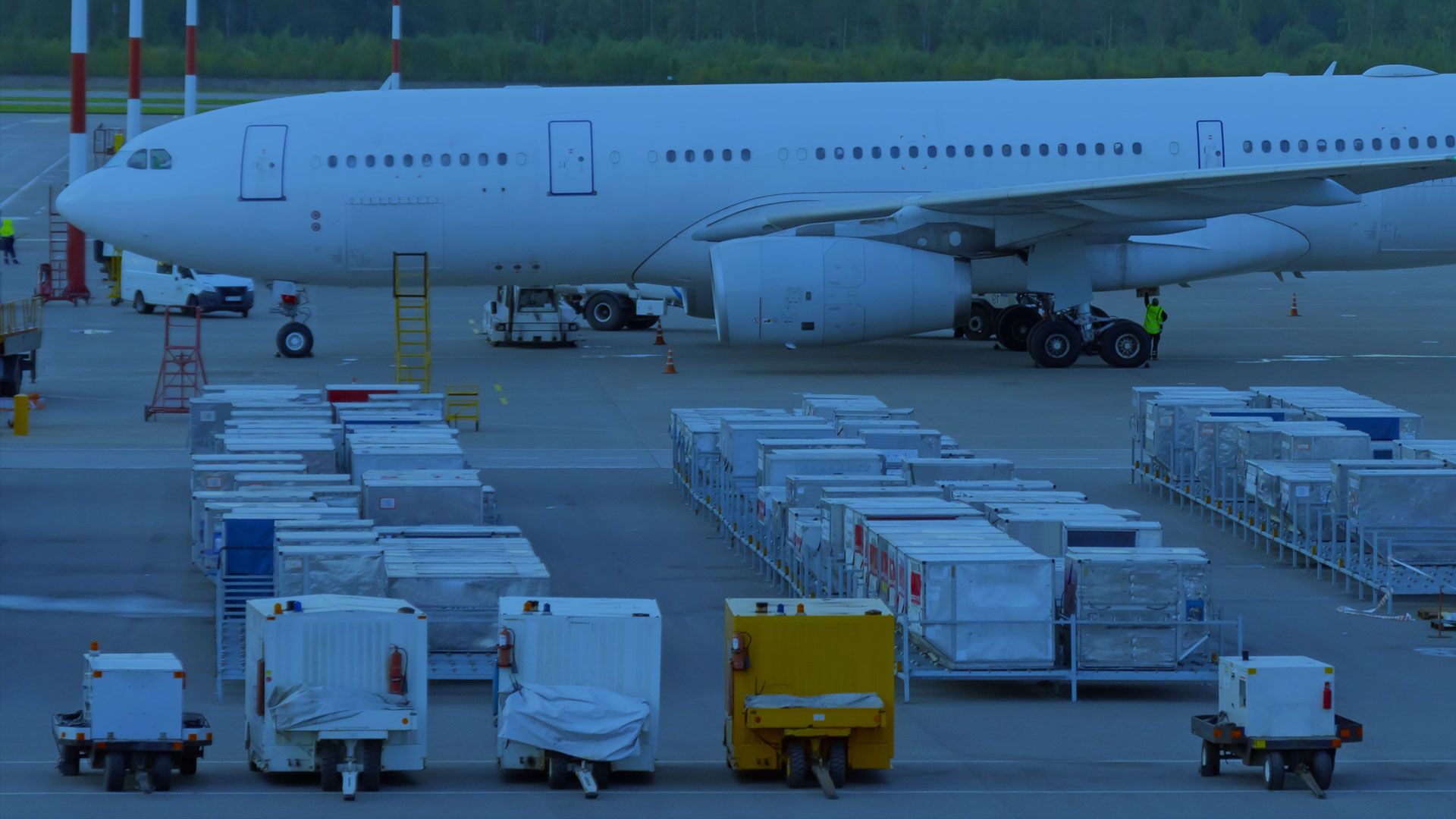
“Equipped with Descartes IoT technology, our ULD tracking service automatically updates the location of ULDs including when they arrive at a new destination. This minimizes handling and dwell time, leading to accurate stock data and streamlined ULD operations.”

Click here or on the image above to watch a session from Descartes 2023 Innovation Forum, "Accelerating Digital Insights in Air Container, Shipment and Asset Tracking with Descartes"
What Prompted the Journey to Explore More Robust Air Shipment and Asset Tracking Technology?
dnata, one of the world's largest air services providers offering ground handling, cargo services, and travel offerings, also adds background not only on their history but on how the company is using Descartes’ technology to deliver innovation. “dnata, short for Dubai National Air Transport, has a rich history dating back to 1959 when it was the first travel agency in Dubai,” said Guillaume Crozier from dnata.
“However, our technology journey didn't start back in 1959. Instead, our path is a relatively recent one, with a significant push toward innovation around 2016. The catalyst for this drive was, of course, the COVID-19 pandemic. Like many others, we faced unprecedented challenges and realized the need to innovate and find solutions.”
“Our approach started with listening to our customers and internal stakeholders. The core challenge we identified was the need for better organization and increased visibility across the entire supply chain– especially for high-value or sensitive shipments. We encountered specific issues such as tracking shipments accurately and timely data sharing, especially critical during the vaccine distribution. These challenges prompted us to further accelerate our innovation efforts.”
What Insight Are You Achieving Using Descartes IoT Technology?
“Using the Descartes IoT tags on equipment, air shipments bundled into a single ULD container or pallet can also be tracked in real-time to help ground handler customers, such as air carriers and freight forwarders, automate freight location visibility," said Mr. Crozier. "In addition to shipment location, other sensor-based information, such as precise temperature, movement, and humidity, can be monitored.”
Harold Elfring from ACL Airshop adds, “We can now not only see where a ULD is, but the ambient conditions within them. For example, for hazardous goods, automatic checks for weight, dimensions, and photographs are conducted using new 3D cameras. Micro temperature changes in sensitive pharmaceutical shipments are also monitored and tracked.”
“In addition, ACL Air Shop is developing an automated system for retrieving and preparing shipments for departure. ULD tags are automatically printed, and pallets are arranged based on their departure times, streamlining operations. Airlines can access, sort, and dispatch cargo for their flights using paperless documents through ACL's centralized digitized system. This system also automatically logs incoming cargo, notifying drivers of their appointments and confirmations. Drivers receive proof of delivery, and the automated system ensures a swift exit from the terminal, facilitating faster cargo handling.”
What Benefits Are You Seeing Using Descartes IoT Technology?
“Data sharing also plays a crucial role for our business,” said Guillaume Crozier from dnata, “In essence, we are collecting and sharing data to ensure that the entire supply chain and all stakeholders derive value from this technology. For us, collaboration with various partners and airlines requires standardized data formats such as can be achieved with the Descartes Global Logistics Network™ (Descartes GLN™). In practice, this approach benefits us by enabling the quick processing of data in our day-to-day operations. It enhances our job accuracy, responsiveness, and overall efficiency, making a substantial difference.”
“As far as the benefits we are seeing, we have witnessed a notable reduction in dwell times and increased efficiency in ULD management using Descartes’ technology. These improvements lead to benefits such as enhanced stock visibility, minimized dwell times, improved operational efficiency, and improved responsiveness.”
— Harold Elfring, Technology and IT Systems Director, ACL Airshop
“Customer visibility has always been an important aspect for air freight,” continues Mr. Elfring, “In the past, there was a level of trust that the service providers would handle the shipments, and the customers would receive updates when the process was completed. However, today's businesses, particularly newer ones, are becoming increasingly data-driven."
"Companies are now looking to combine various data sources, implement effective reporting systems, and even explore the potential of artificial intelligence (AI) to predict stock needs accurately. The focus is shifting towards empowering customers with data to analyze themselves, creating a more collaborative and transparent supply chain environment.”
“Additionally, while the implementation of advanced technology and automation can address these demands, the real complexity lies in data governance, architecture, and interfaces. Getting these foundational aspects right is pivotal for effective customer visibility and data-driven decision-making in the industry.”