
Key takeaways
- Returns management shapes profitability, not just customer satisfaction.
- What feels like a win for customer service can quietly become an operational failure.
- Delayed evaluation of returns locks up inventory and erodes margin.
- Most ecommerce teams outgrow their reverse logistics process before they realize it.
- Smarter returns processing, not just a change in returns policy, is what restores control.
Ecommerce reverse logistics has quietly evolved into one of the most complex operational challenges facing growing brands. What was once treated as a customer service issue now affects inventory accuracy, warehouse labor costs, cash flow, and long-term customer trust (i.e., returning customers). As return volumes rise, many ecommerce teams are discovering that policies designed to delight customers can create downstream chaos if the operational side of returns is not equally prepared.
Troy Graham, a 15-year Descartes veteran, frequently speaks with ecommerce brand leaders about recurring operational challenges, such as returns, and how to solve them. Here are some of the top reverse logistics challenges Troy repeatedly encounters and how ecommerce brands are overcoming them.
Getting to the root of the reverse logistics problem
Returns mistake #1: Take everything back, no questions asked
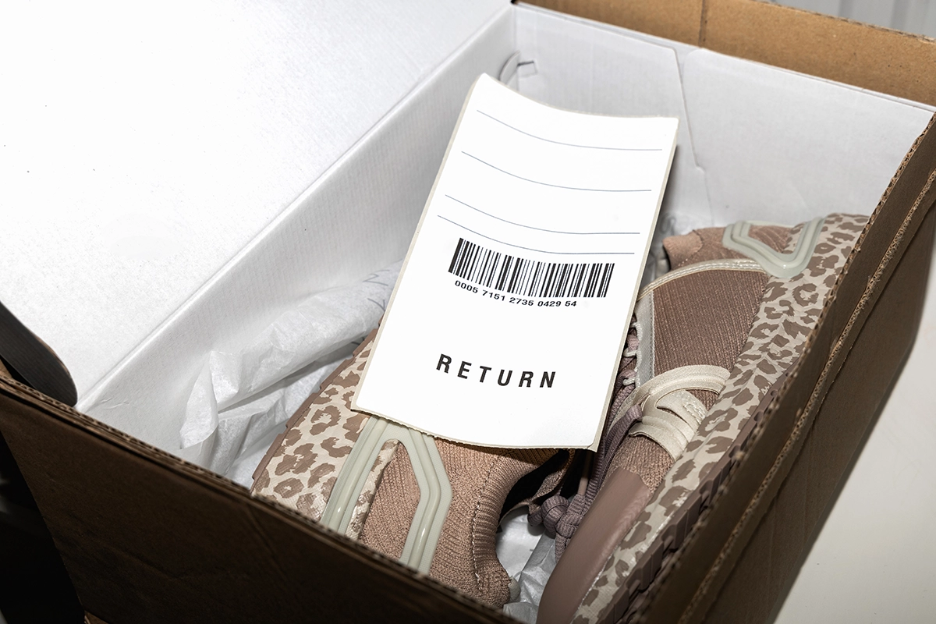
When generous returns policies backfire
In conversations with ecommerce brands, Troy consistently hears differing perspectives on reverse logistics, often from within the same organization. Recounting a recent conversation, Troy shares,
“I talked to two different people inside the company. One person was on the customer service side of the business, and one was on the operational side in the warehouse. And I heard two completely different stories about how things went in the peak season, specifically regarding returns.”
Customer satisfaction at all costs
From a customer service perspective, the season felt like a success. The company provided a clear, generous return policy on the website, geared towards customer satisfaction. If the shopper was unhappy for any reason, they could return any product by the given date and expect a pre-paid shipping label and a full refund.
Recalling the conversation, Troy remembers the customer service leader’s enthusiastic response to questions about peak season returns management: “He said, ‘It was amazing. We killed it. We did a great job.’” With customer satisfaction as the primary goal, peak returns handling was a resounding success.
Warehouse workers and profit margins pay the price
That celebratory vibe disappeared the moment the conversation moved into the warehouse. Behind the scenes, the brand’s open-handed returns policy was amassing an overwhelming number of unprocessed parcels. During the busiest time of year, warehouse workers felt overwhelmed and ill-equipped to keep up with the inflow of returned goods.
“We implemented this new policy that was great for our customers, but we didn’t really think about what we were going to do with all these returns,” the customer shared. “How are we going to handle them?”
“They said [peak season] was a disaster,” Troy recounts, quoting the warehouse leader and describing the chaos he witnessed. “They said, ‘We had a terrible season.’ He turned the camera around on the Teams meeting we were having, and he showed me this corner of his warehouse, where it was just piled with boxes. And he said, ‘That’s our returns area.’”
Both teams were telling the truth. And that underscores the disconnect between a generous returns policy that delights customers and effective reverse logistics in practice.
What to do about this issue
Customer service, finance, and warehouse operations teams must align on reverse logistics strategy.
- Look at the process holistically. Evaluate the current experience from each perspective.
- Identify weak areas where customer satisfaction, profit margins, and warehouse operations currently suffer.
- Address bottlenecks in the warehouse related to the timeliness of return inspections, which could delay customer refunds, and relisting items, which impacts profitability.
- Consider ways to update policy terms to adjust customer expectations and give the warehouse time to inspect goods before issuing refunds.
- Implement warehouse management software to speed up returns processing, make goods available for sale quickly, tighten timelines, and maximize both profitability and satisfaction.
By approaching the issue cross-departmentally, you ensure returns processing can realistically keep pace with projected return volume without compromising the customer experience or profit margins.
Struggling with a similar challenge? Descartes is here to help. Talk to an expert
Returns mistake #2: Receiving returns with no processing plan in place
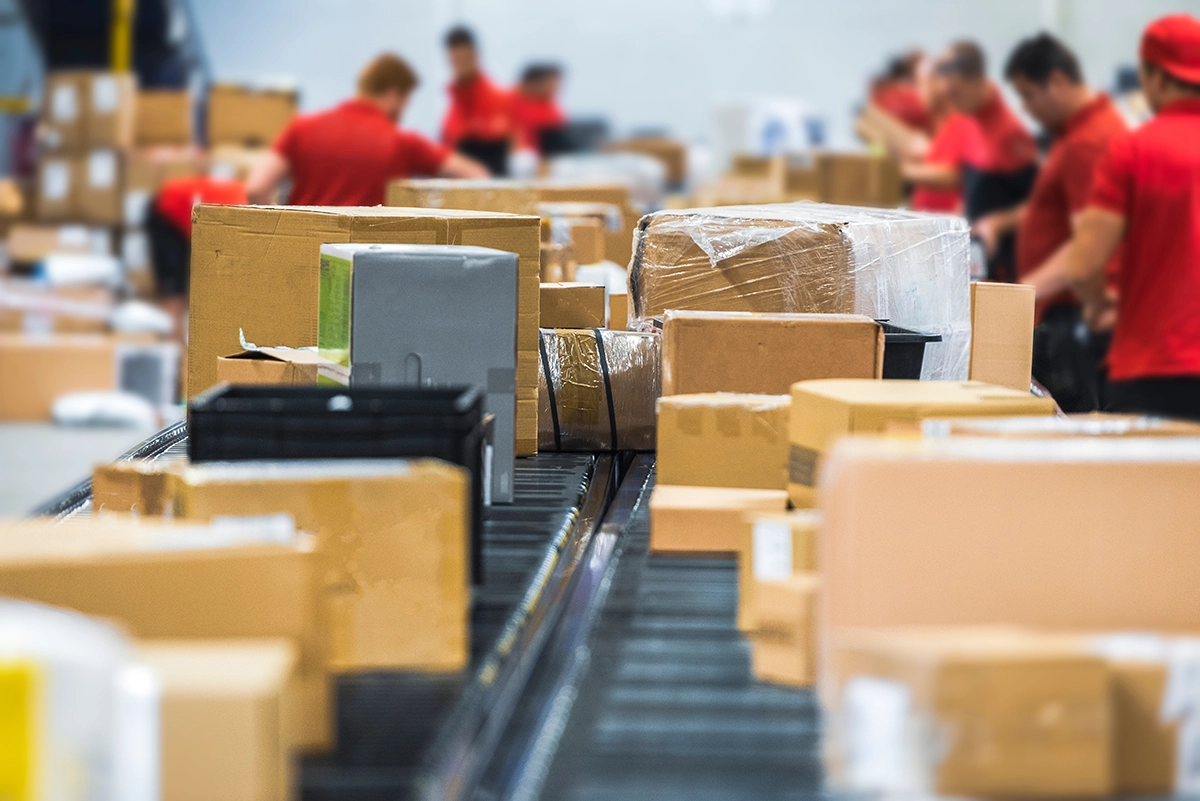
The operational blind spot most teams miss
Most ecommerce businesses invest heavily in getting products out the door, strengthening sales, marketing, and fulfillment operations. Far fewer invest the same effort in planning how products come back and how to maximize profitability from returned goods.
Returns are often addressed reactively, not intentionally. Ownership is unclear and handling returns feels like a low priority. Processes evolve organically rather than strategically. No one is accountable for what happens after the box arrives.
The difference between profitable and unprofitable brands in reverse logistics is rarely about sophistication. It is simply having a clear plan and consistently executing, rapidly relisting viable items for sale.
Issuing refunds before inspecting returned goods
Some brands, in an attempt to maximize customer satisfaction, automatically issue a refund the moment a returned parcel enters the warehouse. The unopened box then goes into a pile, and that’s where the urgency ends.
In the warehouse Troy viewed, refunds had already been issued before anyone knew the merchandise condition or if the real product was even in the box.
The customer shared, “We have hundreds of things that we’ve received, returned from our customers, that are in piles, and we don’t know what they are. And unfortunately, we’ve already given these customers refunds.”
When brands receive returned goods and issue refunds sight-unseen, it can profoundly impact profitability. Not only do these practices expose the company to losses from damaged, unsaleable goods and missing the ideal sales window, but they also leave room for fraudsters to get away with refunds from fake returns.
Returns mistake #3: Losing money by delaying returns processing

The moment reverse logistics becomes a profit problem
Returns become a profit problem the moment a parcel enters the warehouse and lands in a pile. No one is ready to immediately open the box, inspect the goods, issue appropriate refunds, and relist pristine items for sale. Without designated resources to consistently and efficiently process returns, profit margins quickly erode.
In slower seasons, daily returns inspection rarely becomes a serious issue unless warehouse operators completely ignore incoming packages, letting them pile up for days. The real damage usually shows up during peak sales periods, such as Black Friday and Christmas.
“We’re going to ignore [returns] for another week or so. And then we’re going to dive in, open all those packages, and evaluate the merchandise,” shared one struggling brand.
During peak season, order volumes spike, returns skyrocket, and the warehouse typically allocates all resources to faster order fulfillment over proper returns processing. Overwhelmed warehouse teams often consider returns a post-peak problem to deal with later. Why is this an issue?
Unprocessed returns rapidly lose resale value
As weeks pass between the receipt and resale of returned goods, the cost compounds. Reflecting on losses from slow returns processing, a customer recently shared,
“We’ve missed an opportunity to resell that product because we couldn’t get it processed and evaluated quickly. We ultimately have capital tied up.”
Every minute that a product sits in a pile of returns instead of getting re-listed for sale, it ties up capital and loses value. Returned inventory should be sold during peak season while demand is high. When brands neglect returns inspection, they often miss the opportunity to resell perfectly good products at full price.
Curious about a more efficient way to process returns during peaks? Talk to an expert
What effective reverse logistics actually requires
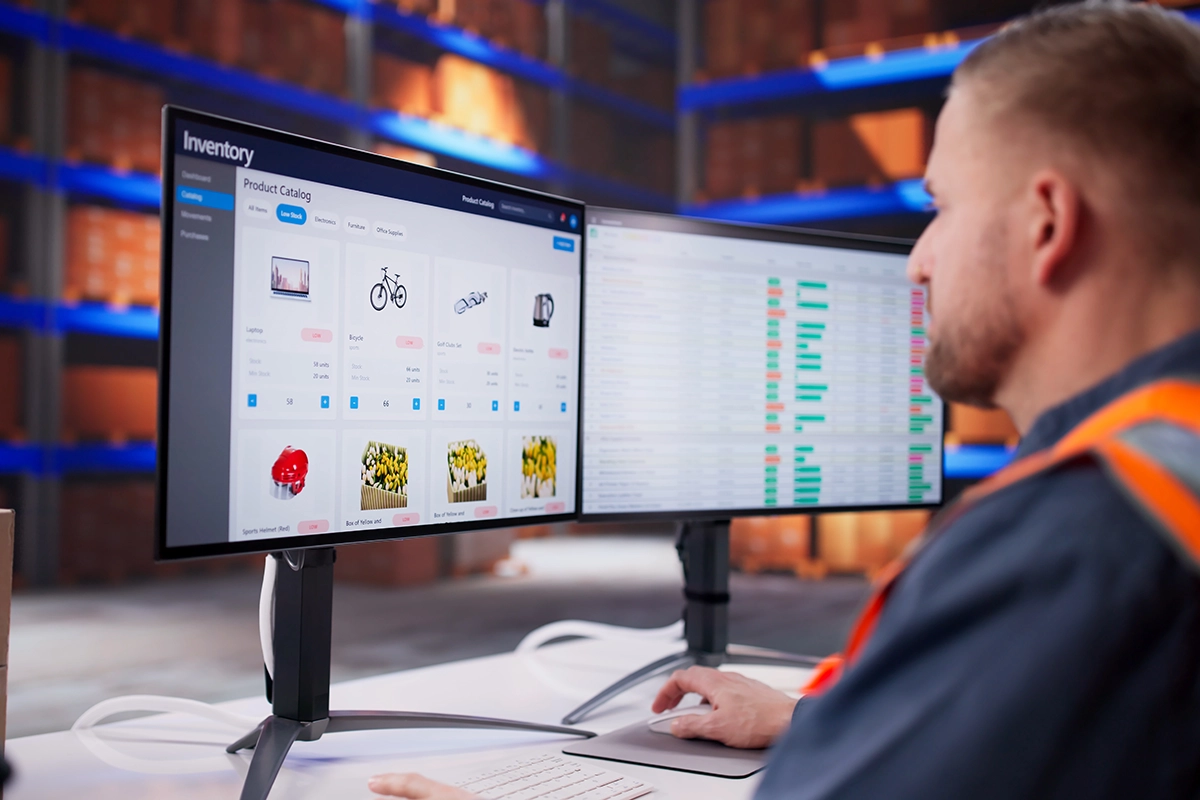
Profitable reverse logistics starts with discipline, not perfection. Clear ownership matters more than elegant workflows. Fast evaluation matters more than flawless classification. Alignment between customer promises and warehouse capacity matters more than generous policies.
Many brands start by processing returns manually. Some rely on spreadsheets. What separates those who scale from those who struggle is whether returns are treated as someone’s specific job or everyone’s general headache to avoid.
How to get started with disciplined returns processing
“I think job one is identifying who’s going to be responsible for it,” says Troy, looking at it from a brand leader’s perspective. “If I receive something back from a customer, if it’s in like-new condition, I want to be able to sell it right away. I want to make it available for sale on my website as quickly as possible.” He recalls another real-world example.
“I talked with one brand, and they simply said, ‘Hey, we have a person in our warehouse whose job is partly focused on returns every day. If we receive returns, we're going to quickly open them. We're going to evaluate them. If we need to ask our customer service team questions, we'll do that.’ And they use just a simple Excel spreadsheet,” Troy shares, impressed by the initiative.
“But they thought about it,” he continues. “Is this the world's most efficient process? Maybe not, but they had a plan in place to say, ‘We're not just going to shuffle these returns off into the corner and deal with them later.’”
As volume grows, manual approaches like this reach their limits. At a certain point, technology becomes necessary, not as a replacement for discipline, but as a growth lever to scale operations.
Why returns expose how ready a business really is to scale
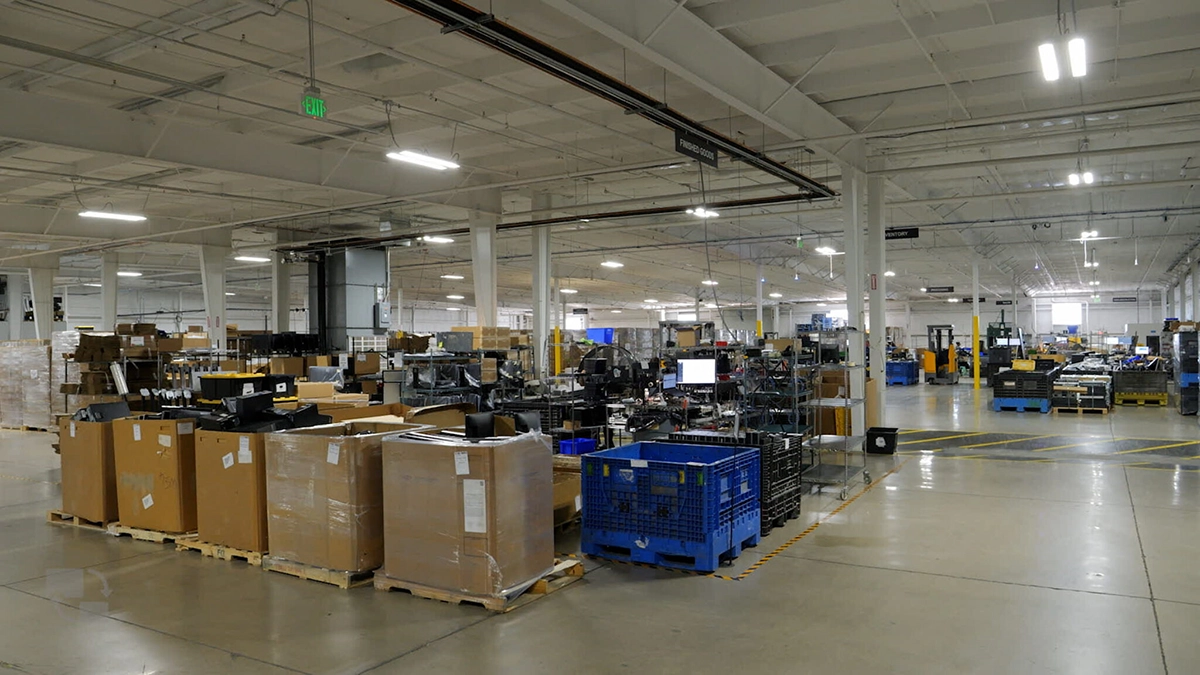
Returns act as a stress test for ecommerce brands. They expose gaps between teams, such as customer service, finance, and warehouse operations. Returns reveal bottlenecks in operations, data discrepancies, vulnerabilities to bad actors, and puncture points where profit is quietly leaking out.
Brands that handle returns strategically tend to also handle growth well. Those who do not eventually feel the consequences in margin, morale, and customer trust.
Returns handling is no longer a low-priority, back-burner warehouse problem or merely a customer service function. Reverse logistics is a leadership problem. And for ecommerce brands planning their next phase of growth, it deserves attention long before the next peak season arrives.
How to process returns faster and minimize losses
- Make returns processing a high priority. Establish a company-wide standard for same-day inspection, processing, and re-listing of saleable goods.
- Assign clear ownership and procedures. Returns processing must be assigned to an owner accountable for performance goals. Equip them with the time and tools necessary to comply with the company's standards.
- Inspect items before issuing refunds. Workers must open boxes and physically handle contents to catch instances of fraud and obvious policy violations. Work closely with customer service teams to ensure timely refunds.
- Implement time-saving technology. Speed up reverse logistics processes with a warehouse management system and barcode scanning capabilities.
- Re-list products immediately. Scan saleable items back into available inventory, using integrated ecommerce operations technology to automatically update your sales channels.
Explore Descartes ecommerce reverse logistics solutions
Has your brand already outgrown manual, spreadsheet-based returns processing? Does your warehouse team struggle to keep up with order fulfillment during peak seasons? Is slow returns processing costing you money and peace of mind?
Descartes ecommerce warehouse management systems (WMS) are built to help growing brands scale warehouse operations, including reverse logistics.
- Descartes Peoplevox™ WMS provides ecommerce returns management and reverse logistics capabilities for high-volume direct-to-consumer sellers, especially fashion brands.
- Descartes Sellercloud™ all-in-one operations platform offers returns management tools and reverse logistics for multichannel Amazon and Walmart sellers.
- Descartes pixi™ WMS includes ecommerce returns management and reverse logistics workflows for companies in Germany, Austria, and Switzerland.
- Descartes OzLink™ mobile WMS restores returned inventory to NetSuite with barcode scanning workflows for reverse logistics.
Ready to see how Descartes can help you scale warehouse operations?
FAQs
Reverse logistics is the multi-step process of retrieving a returned item from a customer and returning it to the supply chain, usually for resale, recycling, or disposal. Steps in the reverse logistics process for ecommerce include posting a return policy, return authorization, customer service, shipping label generation, receiving, inspection, issuing refunds, re-listing saleable goods, repairing or reselling damaged goods, and recycling or disposing of damaged products.
Returns management is a subset of reverse logistics that focuses on customer-facing processes, such as issuing return labels, customer service, and refunds for returned products. It is an administrative function focused on customer satisfaction and cost-efficient processing.
Ecommerce customers expect speed and simplicity when returning products and receiving a refund. However, reverse logistics is a complex, multi-step process for businesses. During peak sales seasons, many ecommerce warehouses are unprepared to receive, process, and relist large numbers of returned products for sale in a timely manner.
Ecommerce sellers typically post a customer-facing return policy outlining the terms, procedure, and what customers should expect. A customer must follow the policy to return a product, and the business usually takes responsibility for approving the return, issuing a shipping label, receiving the product, inspecting it, issuing a refund, and returning the product to the supply chain. Many businesses re-list, repair, recycle, or dispose of returned goods.
During peak season, businesses experience higher-than-usual order volumes. Returns arrive when warehouse teams are fatigued, and attention is already focused on high-volume outbound fulfillment. Without a plan heading into peak season, returns processing often becomes low priority. Evaluation gets delayed, returns pile up, and sellers miss the optimal time to re-list salvageable items.
Reverse logistics should be planned, owned, and aligned across the organization. In returns processing, speed, clarity, and consistency matter more than perfect methods, especially as volume grows. Choose warehouse technology that supports scalable operations during peak seasons to prevent bottlenecks.
More ecommerce returns management resources
How to manage returns in your ecommerce business
Orderback.io is a self-service customer portal that enables customers to exchange products easily and automates the returns process, improving customer satisfaction.
Returns in ecommerce: the silent capital drain
Returns don't only cost money when they are written off. They cost money as long as they remain unresolved. The longer this phase lasts, the lower the chance of an economically viable resale.
Ecommerce returns management in fashion: a race against time
Learn why fashion returns lose value, where warehouses fall behind, and how brands can preserve resale value.
How to turn returned inventory into money for your business
Every ecommerce retailer knows that returns come on the heels of peak season. During the busiest season of the year, how can ecommerce businesses make the most money on returned inventory?
How Descartes Peoplevox makes managing returns painless
Discover how Descartes Peoplevox WMS reduces friction in your ecommerce warehouse and improves your returns management workflows.
Optimizing your ecommerce returns process
Returns fulfillment stands at the crossroads of profit and customer loyalty; this concise guide reveals proven workflows, tech tools, and data tactics that shrink refund cycles, reclaim inventory value, and elevate CX.