7 Reasons Delivery Tracking Software Is a Must-Have for Modern Logistics Teams
When your customers expect Amazon-like tracking and your margins demand precision, delivery tracking software becomes your secret weapon.
Especially among younger consumers, who now drive the majority of online retail growth and demand seamless experiences, delivery tracking software is now essential.
Here are seven powerful reasons why logistics teams can no longer afford to overlook delivery tracking software.

1. Improves Customer Satisfaction with Real-Time Updates
Customers today expect to know where their order is at every stage.
Real-time tracking with proactive notifications minimizes anxiety, reduces customer support inquiries, and fosters trust. This is particularly crucial when 79% of under-35s report delivery issues and have little tolerance for uncertainty.
2. Reduces Missed Deliveries and Reattempt Costs
Failed deliveries aren't just frustrating, they're expensive.
Delivery tracking software allows businesses to send real-time notifications and estimated arrival times (ETAs) to recipients. This significantly improves first-time delivery rates and cutting the need for costly reattempts or redelivery runs.
3. Boosts Operational Visibility and Team Accountability
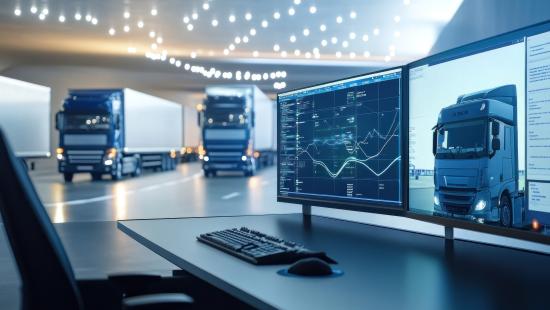
Fleet managers gain live visibility into vehicle locations, driver performance, and route adherence. This not only streamlines operations but enables faster troubleshooting and better resource allocation in real time.
4. Strengthens Brand Trust Through Transparent Communication
When businesses adhere to delivery windows and keep customers in the loop, brand perception improves.
The software ensures that even if the ETA changes, customers know what to expect. This is a must when 66% of consumers have experienced delivery issues recently, and younger buyers are quick to switch brands after poor experiences.
5. Supports First-Time Delivery Success
Features like address validation, photo proof-of-delivery, and real-time customer notifications boost the chances of a smooth handoff. Given how tight margins are, first-attempt success is critical for maintaining profitability in last-mile delivery.
6. Optimizes Route Planning and Reduces Driving Time
Many delivery tracking platforms integrate with route optimization engines to create efficient routes, avoiding traffic and minimizing miles driven.
This directly reduces fuel costs, emissions, and driver fatigue, while increasing delivery density.
7. Enhances Data Analytics for Continuous Improvement
Track performance over time with detailed delivery metrics.
Identify bottlenecks, spot trends, and refine processes using historical and real-time data, a key step toward sustainable logistics excellence.
To conclude
With 60% of under-35s citing poor delivery experiences as a reason to not purchase again, companies can't afford to drop the ball post-checkout. Delivery tracking software empowers logistics teams to deliver on time, every time, delighting customers while optimizing operations.
Now is the time to move beyond manual tracking or basic status updates. Smart, integrated tracking tools aren't just tech upgrades; they're competitive necessities.
Want to improve your delivery performance and customer retention?
FAQ: Delivery Tracking Software
Delivery tracking software provides real-time visibility into delivery status for both businesses and customers. It integrates GPS, route data, and customer communication tools to ensure accurate, timely deliveries.
Retailers, ecommerce businesses, courier services, and logistics providers all benefit. It's especially valuable for companies managing high delivery volumes or prioritizing customer satisfaction.
Yes, by improving route efficiency, reducing failed deliveries, and lowering customer support demands, tracking software can significantly cut delivery and support costs.
Most modern platforms integrate with route optimization, inventory, and customer relationship management (CRM) systems for a seamless logistics workflow.
Customers receive proactive updates, can track orders in real time, and often have the option to reschedule or communicate with drivers, leading to fewer complaints and more repeat purchases.
Yes. By enabling efficient routing and consolidated deliveries, it reduces unnecessary mileage and emissions, supporting green logistics goals.
Fleet Resource Center
Expand Your Routing, Mobile & Telematics Knowledge
Recommended For You