

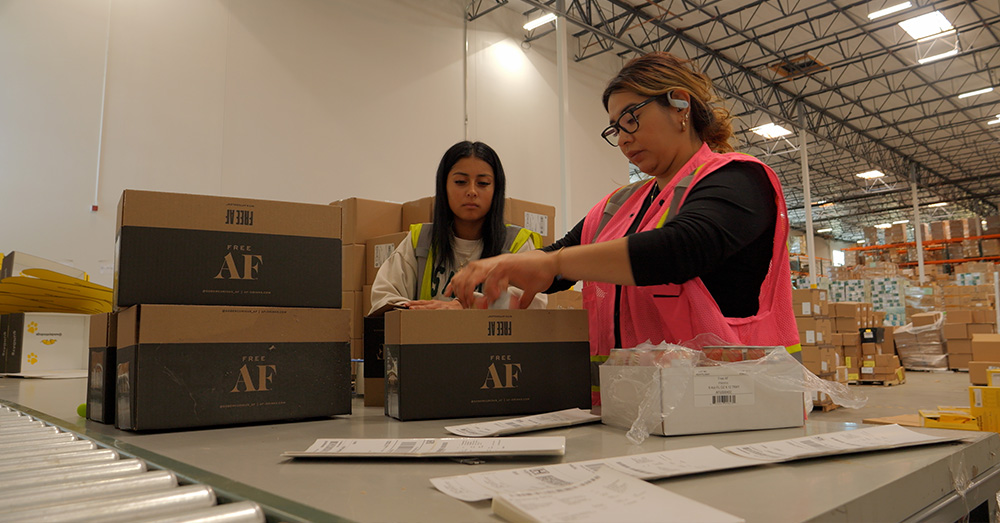
Amazon has launched Amazon Supply Chain Services (ASCS), opening its freight, warehousing, fulfillment, and parcel delivery network to businesses of all sizes, including companies that do not sell on Amazon. The move expands Amazon’s logistics operations beyond its marketplace ecosystem and positions the company more directly against carriers and third-party logistics providers such as UPS, FedEx, and DHL.
According to Amazon, the new service gives businesses access to the same infrastructure Amazon built to support its own ecommerce operations over the past two decades. ASCS includes freight transportation, inventory distribution, fulfillment, parcel delivery, and returns management. Early users include Procter & Gamble, 3M, Lands’ End, and American Eagle Outfitters.
For ecommerce sellers, the announcement reflects how quickly fulfillment and logistics are evolving. Businesses are under increasing pressure to deliver faster, manage inventory across multiple channels, and control shipping costs while maintaining customer expectations around delivery speed and reliability.
The expansion could also create additional fulfillment options for sellers that operate outside Amazon’s marketplace or want to diversify logistics partners. At the same time, greater competition across the shipping and fulfillment sector may place new pressure on traditional carriers and third-party logistics providers.
Ecommerce sellers should evaluate whether their current fulfillment strategy gives them enough flexibility to adapt as shipping networks and customer expectations continue to change. Businesses that centralize inventory visibility, automate order routing, and support multi-carrier shipping workflows may be better positioned to respond as the logistics landscape evolves.
Book a demo with Descartes to discover how our ecommerce solutions can help you manage multichannel fulfillment, improve inventory visibility, and adapt to changing shipping operations.
Related News
Ecommerce Sellers Face 5.9% FedEx and DHL Rate Increases in 2027
FedEx and DHL Express have both announced average US shipping rate increases of 5.9% for 2027, add…

Earlier Seasonal Shopping Means Ecommerce Sellers Need to Prepare Sooner
Consumers are starting seasonal shopping earlier, giving ecommerce sellers another reason to rethi…
FedEx and UPS Demand Surcharges Raise Peak Shipping Costs for Ecommerce Sellers
FedEx and UPS have published their 2026 holiday demand surcharge schedules, adding temporary per-p…