
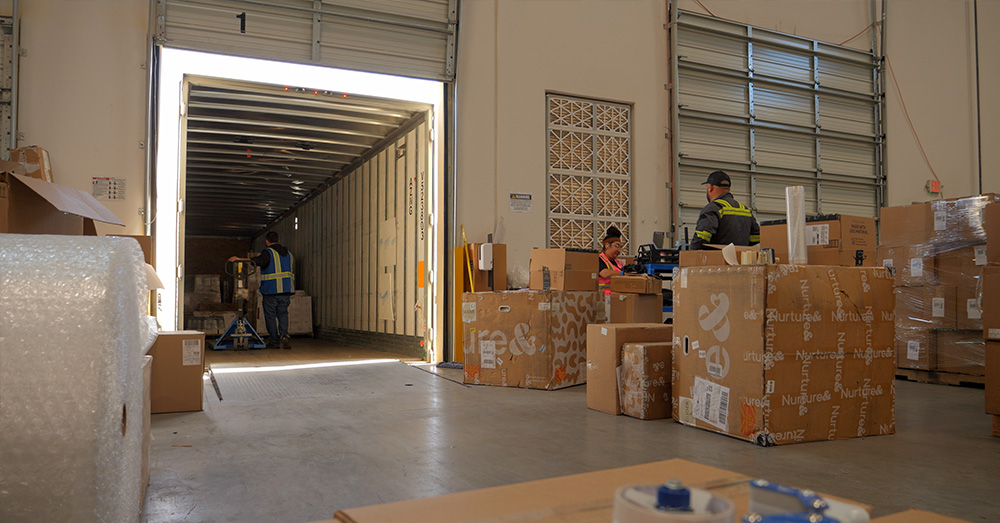
During the 2025 holiday season, U.S. ecommerce and retail spending reached an estimated $250 billion, according to Adobe’s 2025 Holiday Shopping Recap report. Out of those purchases, approximately 14% were returned to merchants, according to an article by Digital Commerce 360.
Holiday season returns often lead to significant financial and operational pressure for retailers, particularly as fraud becomes more frequent and more sophisticated. Descartes Enterprise Account Manager, Troy Graham, shared an inside perspective on current returns management challenges and ways customers cope with fraud.
According to Graham, return fraud is no longer limited to occasional misuse. Retailers are reporting increasingly creative schemes, including boxes returned with sand, pennies, or completely different items inside. In some cases, fraudsters have gone as far as returning 3D-printed components designed to closely resemble the original product, complete with similar weight.
In many of these situations, refunds had already been issued before the return was inspected, immediately turning the transaction into a loss.
The financial impact extends beyond fraud itself. Delayed inspection of returned goods can prevent resale during peak demand periods, tying up capital and forcing retailers to liquidate inventory through discount channels later in the season.
To respond, some brands are revising policies to issue refunds only after returned items are received and evaluated.
Others are investing in warehouse management systems and barcode scanning to verify returns against original orders. For higher-value items, serialization and warranty registration are increasingly used to confirm authenticity while maintaining a fair customer experience.
Struggling with returns and return fraud? Book a free consultation with our ecommerce experts to see how you can take control of reverse logistics.
Related News

Amazon Prime Day and Walmart Deals Set Up a High-Stakes Week for Ecommerce Sellers
Amazon’s decision to move Prime Day from its traditional July timeframe to late June is reshap…

TikTok Expands Ecommerce Reach Across Europe and North America: Key Implications for Online Retailers
TikTok is continuing to strengthen its position as an ecommerce channel in both Europe and North A…
Walmart Attracts More Premium Brands as Ecommerce Sellers Expand Multichannel Strategies
Walmart continues to evolve beyond its traditional value-focused reputation, attracting a growing…