
As ecommerce businesses head into 2026, one challenge is rising above the rest: inventory forecasting. Zaeem Batavia, VP of Sales Ecommerce at Descartes, shared that the issue is showing up consistently in customer conversations. Descartes onboards hundreds of ecommerce businesses every year, and approximately 75% say advanced forecasting is either a top priority today or will be within the next three months.
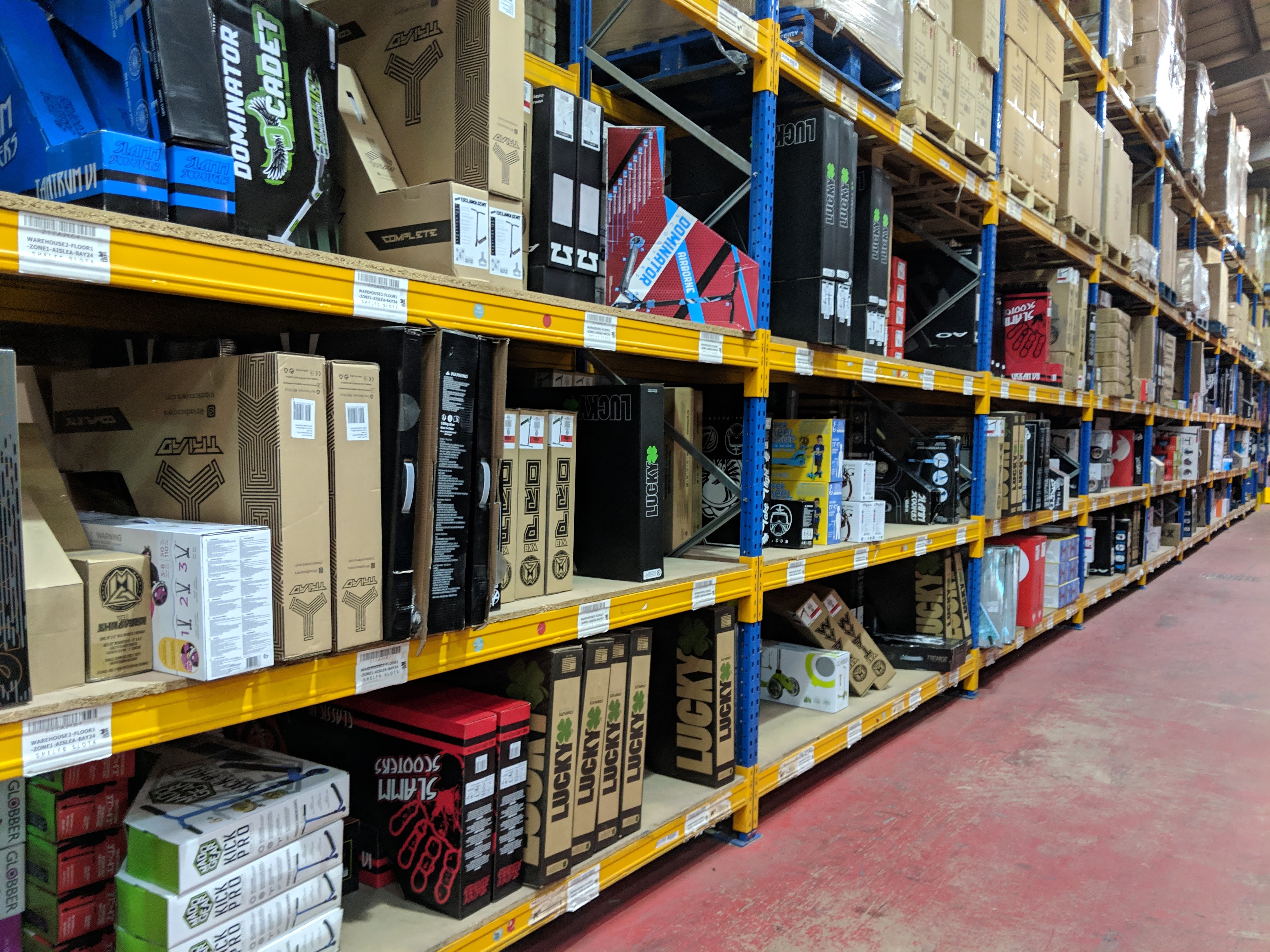
A key reason is that sales events are no longer limited to the holiday season. Brands now run promotions “five, six, seven times a year,” said Batavia, putting pressure on already complex operations, particularly inventory forecasting. Furthermore, many are still relying on spreadsheets and manual processes that “just don’t scale.”
Getting forecasting wrong can quickly hurt margins. Too much inventory ties up cash and leads to discounting. Too little inventory means lost sales and unhappy customers. According to Batavia, many businesses are feeling the impact. “Inventory forecasting is the biggest challenge,” he said.
Batavia recommends treating forecasting as a core business capability, not a back-office task. “It directly impacts profitability,” he noted, especially as order volumes, returns, and location-level fulfillment grow more complex.
To address this issue, business leaders can evaluate how inventory decisions are made today, then start identifying weak areas where automation may reduce risk, save time, and protect margins.