

As a business leader responsible for driving revenue growth, are you exploring opportunities to increase online sales? Multichannel ecommerce is a popular way to expand your market by adding more sales channels while minimizing risk, operational costs, and complexity.
This guide provides a comprehensive overview of multichannel ecommerce to help you choose the best growth strategy for your business.
If you're mainly here to see how Descartes helps ecommerce businesses sell more online without operational chaos, here's a video overview.
For a deeper dive on all things multichannel ecommerce, keep reading.
Table of contents
- What is multichannel ecommerce?
- Advantages of selling on multiple marketplaces
- Problems with multichannel ecommerce
- What’s the difference between multichannel vs. omnichannel?
- Who should use a multichannel strategy?
- Multichannel management for listings
- Multichannel inventory, fulfillment, and shipping
- Tools for multichannel inventory management
- Best multichannel ecommerce software for 2026
- How to sell on multiple marketplaces
- What’s the best way to add more sales channels?
- What do sellers typically overlook when adding more sales channels?
- How do I keep listings and product information updated on all channels?
- What’s the best way to manage inventory and orders for multiple sales channels?
- How can I fulfill more orders without increasing headcount?
- How does Descartes support multichannel ecommerce growth?
- Key takeaways
What is multichannel ecommerce?
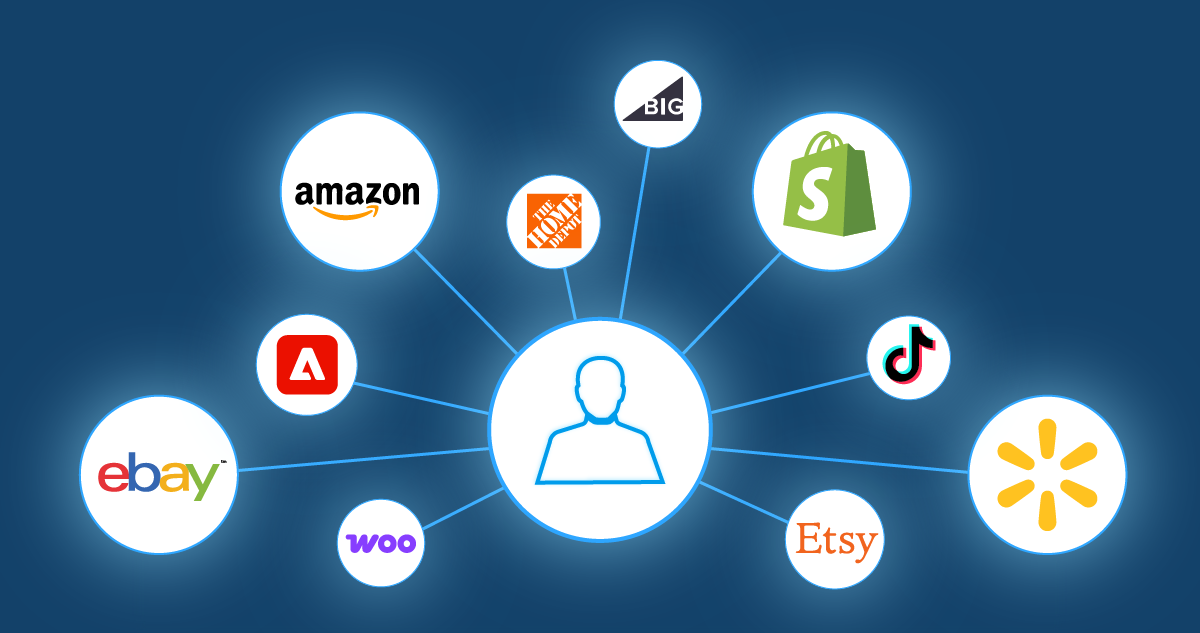
Multichannel ecommerce means selling products online across multiple platforms, such as Amazon, Walmart, Shopify, eBay, and your own website. Sellers typically add online sales channels as a low-cost way to expand revenue potential by reaching new markets.
In multichannel selling, each sales channel can operate independently from an inventory management, order fulfillment, and customer data standpoint. However, this may lead to operational challenges, including overselling inventory and missing delivery deadlines.
Many sellers overcome these challenges by implementing ecommerce operations software. By connecting all platforms to a central hub, businesses can streamline workflows, reduce errors, and increase efficiency.
Advantages of selling on multiple marketplaces

Adding more sales channels is a low-cost way to give your business more reach, more revenue potential, greater agility, and less risk. Benefits of multichannel selling include:
- Expand revenue by reaching more customers.
- Low barrier to entry and low cost.
- Less risk by diversifying channels.
- Test effectiveness of various sales channels.
- Increase agility to stay on top of shopping trends.
Let’s take a closer look at each advantage.
Expand revenue by reaching more domestic and international customers

Global ecommerce represents a sizeable and growing market opportunity. According to statista.com, “Revenue in the ecommerce market is projected to reach US$3.66tn in 2025. Revenue is expected to show an annual growth rate (CAGR 2025-2030) of 6.29%, resulting in a projected market volume of US$4.96tn by 2030.”
There are over 150 ecommerce marketplaces worldwide, “[Each] with more than one million monthly visits, [selling] new physical products to end consumers. It means there are no B2B marketplaces and marketplaces of used items,” according to cs-cart.com.
Low barrier to entry and low cost
To sell on a marketplace, such as Amazon, eBay, Walmart, or Etsy, you can create a seller account and list your products. Marketplaces typically charge fees, which may include subscription, listing, or transaction fees. These vary by platform, with listing fees ranging from $0 to $0.99 per listing for popular marketplaces.
Learn more about marketplace fees for Amazon, eBay, Walmart, and Etsy
Less risk by diversifying channels
Selling on a single channel can leave you vulnerable to cyberattacks, legal action, and consumer backlash (e.g., the Target boycott in 2025). Also, ecommerce sellers may deal with platform fee increases, sudden policy changes, and increasingly complex service level agreements.
By selling on multiple channels, you lessen the risk to your business if one or more of your sales channels experiences problems. Establishing a diverse base insulates your business and helps minimize potential losses due to marketplace volatility.
Test effectiveness of various sales channels
Which sales channels will bring your business the most return on investment (ROI)? Multichannel sellers can easily test the effectiveness of new channels by leveraging existing product listings on more platforms.
The secret to testing multiple new channels is multichannel listing management software. You can use it to sync product listings and add channels from a central hub. Look for software with reporting and analytics tools to evaluate which channels perform the best.
Increase agility to stay on top of shopping trends
Ecommerce continuously evolves, and so does buying behavior. In 2018, who would have thought that by 2025, “... U.S. social commerce sales are expected to surpass $84 billion, driven largely by TikTok’s influence,” according to Firework.com.
Consider expanding your sales channel mix to include at least one trending platform. Depending on your industry, your target market may be significantly shifting where they shop. Stay agile, pay attention to trends, and test fast-growing channels.
Learn more about selling on TikTok Shop
Problems with multichannel ecommerce
Selling on multiple sites adds complexity. Both new and existing sales channels require attention, and many new multichannel sellers struggle to run efficient operations. Common problems include:
- Overselling inventory: Inventory isn’t natively synced across platforms. Online inventory levels may misrepresent the amount of physical stock available for sale.
- Limited visibility: Managing multiple disconnected platforms only allows you to focus on one at a time. You miss the big picture of operations as a whole.
- Fulfillment errors: Paper-based and manual processes can cause picking mistakes, especially during ecommerce peak season.
- Slow fulfillment: Order volume may outpace the fulfillment process; the warehouse becomes chaotic; bottlenecks and late orders may result.
- Software sprawl: Too many disconnected tools can lead to time-consuming double data entry, key entry errors, and mis-ships.
The good news is that these problems can all be solved with integrated ecommerce operations software.
What’s the difference between multichannel and omnichannel ecommerce?

The main difference between omnichannel and multichannel ecommerce is the connectedness of the customer journey across sales channels. In multichannel ecommerce, customers’ online data and activities are not leveraged to enhance offline shopping experiences. Listings can be customized per channel for unique experiences.
In contrast, omnichannel ecommerce personalizes and unifies the customer journey across all sales channels. It uses data from multiple online and offline touchpoints to build a cohesive customer experience everywhere your target buyer shops.
Learn more about omnichannel vs. multichannel ecommerce
Who should use a multichannel strategy, not omnichannel?

A multichannel marketing strategy is better than an omnichannel approach for ecommerce businesses that want to sell across multiple online platforms and reach more customers without building an interconnected journey.
These types of businesses may include:
- Digitally native product brands expanding to marketplaces
- Lean Direct-to-Consumer (DTC) teams managing online-only sales
- Niche product sellers with strong marketplace traction
- Price-driven brands focused on volume, not brand experience
- Growing businesses testing new markets or channels
Learn more about each type in the Omnichannel vs. Multichannel Guide
Multichannel management for listings
- How it works: Product listings on each channel can be managed independently or synced using a product information management (PIM) system. Listing information, such as product descriptions, prices, and photos, may be customized per channel.
- Challenges with manual updates:
- Time-consuming and repetitive to update listings on each channel
- More room for human error if manually updating multiple listings
- De-listing products when inventory runs low requires attention and multi-channel coordination.
- Tips:
- Maintain organized records for product information per channel.
- Schedule regular updates to keep listings and inventory levels accurate.
- Use PIM software, such as Descartes Sellercloud™, to centralize multichannel listings, automate updates, and sync across channels.
Multichannel inventory, fulfillment, and shipping
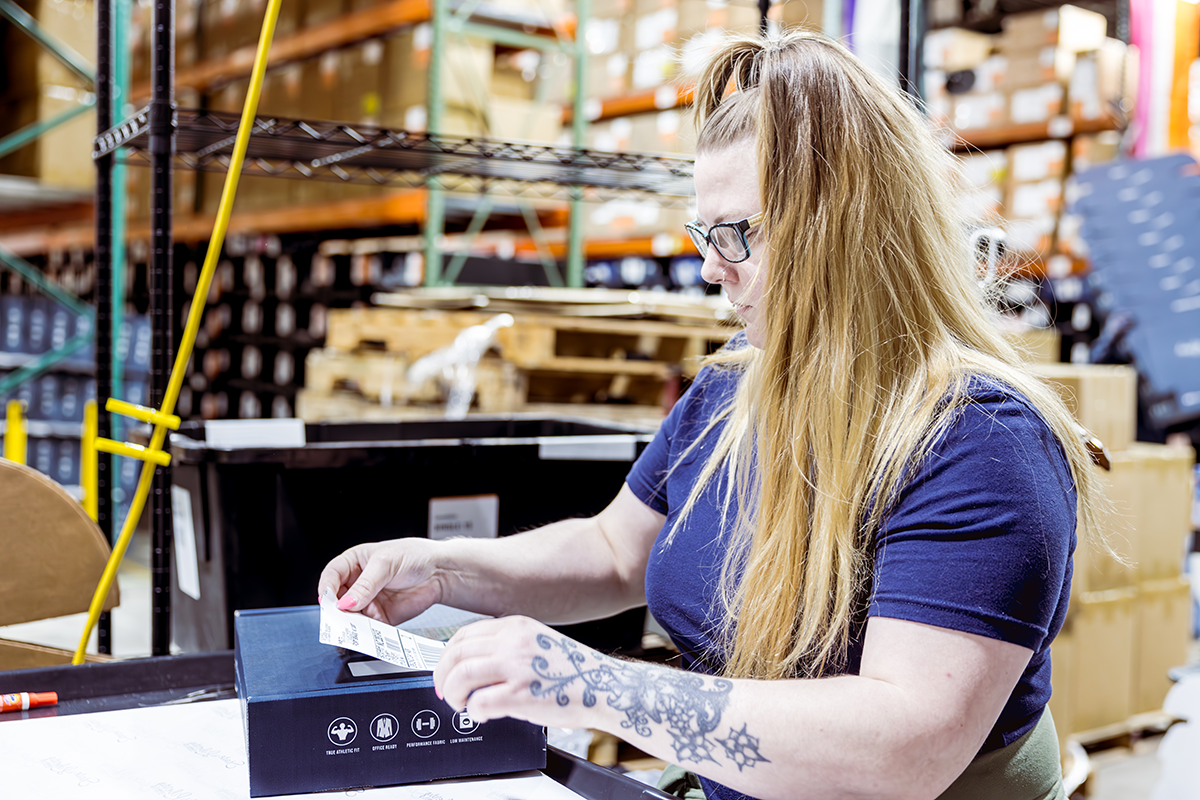
- How it works: Each channel (Amazon, eBay, Shopify, in-store, etc.) may have its own order fulfillment, inventory management, and shipping workflow. Sellers can use an all-in-one ecommerce operations platform to centralize data and workflows for multichannel inventory management, warehouse management, order management, shipping, and more.
- Challenges with disconnected programs:
- Overselling inventory often happens without real-time inventory sync between sales channels and warehouse operations.
- Slower fulfillment process jumping between multiple platforms to view orders, update inventory, create shipping labels, and update order status.
- Inventory silos can lead to stockouts or overselling because warehouse workers lack the visibility to reorder before physical stock levels run out.
- Late or incorrect orders may result from inefficient paper-based or manual fulfillment workflows.
- Failing to meet marketplace requirements for fulfillment speed and accuracy may result in getting de-listed as a seller.
Tools for multichannel inventory management

Inventory control is crucial for successful multichannel ecommerce at scale. To prevent overselling and avoid disappointing customers, sellers must always ensure accurate, up-to-date inventory levels on all sales channels. Here are the tools to achieve this goal:
- Ecommerce inventory management system: Use an integrated software solution to aggregate data and provide visibility into all sales channels' inventory, physical stock, shipments, purchase orders, and more, in one place.
- Real-time multichannel inventory sync: Your software should automatically update available inventory on all sales channels in real time to prevent overselling. It should sync inventory as orders are placed and fulfilled.
- Automated purchase orders: Prevent stockouts by using software to set inventory-level thresholds, monitor inventory levels, and automatically create purchase orders when stock runs low.
- AI-driven demand forecasting: Leverage historic sales and inventory data across sales channels by using ecommerce operations software to predict how much stock will be needed to meet forecasted demand.
- Unified inventory reports: Aggregate inventory-related data from all sales channels to identify trends, monitor inventory levels, and inform business decisions.
Best multichannel ecommerce software for 2026
Top 3 multichannel ecommerce sales platforms
Adobe Commerce, previously known as Magento, BigCommerce, and Shopify are the top ecommerce sales platforms for multichannel sellers to implement in 2026. Each solution enables businesses to not only build and operate their own websites, but also manage other sales channels, such as marketplaces, social media shops, and brick-and-mortar stores.
- Adobe Commerce (previously Magento): An enterprise-level platform powering online sales for global brands such as Coca-Cola and Nissan.
- BigCommerce: A highly-scalable selling platform with award-winning business-to-business (B2B), multi-storefront, and business-to-consumer (B2C) tools.
- Shopify: Add top marketplaces and social media shops to your Shopify-centric business for multichannel sales.
Best multichannel ecommerce operations software

These platforms each provide an all-in-one solution with sales channel integrations, inventory, order, and shipping management capabilities. Some also offer advanced warehouse, purchasing, and inventory management tools.
- Descartes Sellercloud: A highly-customizable platform with 350+ pre-built integrations, predictive purchasing, and Fulfilled by Amazon (FBA) solutions.
- Cin7 Omni: Electronic data interchange (EDI) facilitates business transactions between partners. Automate intercompany stock and price adjustments.
- Extensiv: Offers various plans to fulfill orders from one or multiple internal warehouses, external warehouses, or both.
- Sellbrite: Connects sales channels, syncs inventory, lists products to new marketplaces, and prints shipping labels for orders.
- Linnworks: Offers 100+ sales channel integrations. Known as the #1 recommerce inventory management platform for sellers of pre-owned items.
See how Descartes Sellercloud compares to Cin7, Extensiv, Sellbrite, and Linnworks
Multichannel listing and product information management (PIM) software

- Descartes Sellercloud: Integrates with 350+ sales channels, automatically updates product listings, syncs inventory, optimizes order fulfillment, and more.
- ChannelEngine: Connects your business to over 1300+ marketplaces worldwide; offers flexible integration options and API connection.
- Rithum (previously ChannelAdvisor): Enhances listings, aligns content with marketplace algorithms, and publishes across multiple marketplaces.
- Sellbrite: Free plan for small businesses; integrates with 11+ major marketplaces and shopping carts for inventory sync, listing management, and shipping.
- SellerChamp: Bulk uploads listing information, connects to vendor feeds, automatically reprices products, and more.
See more options for the best multichannel listing software
Top 5 multichannel inventory management systems

- Descartes Finale: Prevents overselling, centralizes stock visibility and orders, and syncs inventory across 30+ sales channels, including Shopify, Walmart, and Fulfilled by Amazon (FBA).
- Ordoro: Bulk uploads inventory, routes and splits orders, manages shipping and dropshipping, and automates low-stock alerts.
- SkuVault Core: Connects your warehouse, stock, and shipping providers to keep it all organized; integrates with 100+ programs.
- Cin7 Core: Offers real-time transparency into operations with cloud-based inventory; integrates with 700+ tools.
- Zoho Inventory: Integrates with Amazon, eBay, Etsy, and Shopify to sync inventory, manage multiple warehouses, and fulfill orders.
See an example of ecommerce inventory software for multichannel sellers
5 top warehouse management systems for multichannel sellers

- Descartes Peoplevox: Best for high-volume direct-to-consumer (DTC) ecommerce fulfillment on multiple channels.
- Descartes Sellercloud: All-in-one warehouse, inventory, order, listing, shipping, and purchasing platform for multichannel Amazon FBA, FBM, and Walmart sellers.
- ShipHawk: Warehouse management system (WMS) and shipping software for parcel, LTL, and full-truckload shippers.
- ShipHero: Pick-to-light, iOS-based mobile pick and pack with barcode scanning, guided pick routes, and rate shopping for shipping.
- Snapfulfil: A multi-agent orchestration platform that provides a device-agnostic, unified approach to automation.
See an example of a warehouse management system for multichannel sellers
Best shipping software for multichannel ecommerce

- Descartes ShipRush: Automate shipping and multi-carrier rate shopping, access discounted rates, create shipping labels, and centralize order management.
- Descartes XPS Ship: User-friendly way to create domestic and international discounted shipping labels for multichannel sellers.
- Easyship: Robust shipping platform with 550+ carrier integrations to facilitate shipping to any country in the world.
- Shippo: Shipping API with discounted rates from 40+ carriers worldwide; connect sales channels and create shipping labels.
- ShipStation: Shipping software with some inventory and warehouse management capabilities, offering 400+ integrations.
See an example of multichannel shipping software
How to sell on multiple marketplaces

Anyone can sell on multiple marketplaces. The real question is, “How do I successfully sell on multiple marketplaces?” In other words, “What’s the best way to add more sales channels, market my products, and handle fulfillment for growing order volumes while controlling operational costs?”
What’s the best way to add more sales channels?
For small startup businesses, the easiest way to add more sales channels is to sign up for a marketplace like Amazon, Etsy, or Walmart. It's low-cost, and new sellers can typically manage orders and shipping with in-platform tools or multi-carrier shipping software, such as Descartes ShipRush.
Fast-growing small to mid-sized businesses should consider using an all-in-one ecommerce operations platform, such as Descartes Sellercloud, to add more marketplaces. This method is highly scalable and supports ongoing growth while reducing the complexity of multichannel management.
Small startup businesses – add a marketplace

How to add a new sales channel:
- Conduct market research: Which marketplaces are your competitors using? Where does your target market shop?
- Research new sales channels: How much will each one cost? What are the marketplace requirements? What kind of results can you expect? What else do you need to get started?
- Connect existing systems: sales channels + shipping software with order management capabilities, such as Descartes XPS Ship
- Test existing order fulfillment workflow: Identify bottlenecks, troubleshoot, and prepare operations for scale.
- Organize product listing information: Assign a unique SKU to each product; prepare listing information for import.
- Sign up for a seller account: Create an account on a new platform or marketplace.
- Connect your new channel: Use pre-built integrations to link your new sales channel to your IMS and shipping software.
- List your products: Import product information to your new sales channel platform; avoid duplicating SKUs.
- Sell on multiple marketplaces: Your products will be available on your new sales channels. Orders will flow into your connected shipping software for processing.
- Fulfill orders and update inventory: Use your shipping software to view and process all orders in one place. Manually update your available inventory.
When to upgrade to a multichannel inventory management system (IMS):
- Frequently overselling inventory
- Can't keep up with growing order volume without hiring more workers
- Mis-picks, mis-ships, and late orders cause unhappy customers
- Struggling to meet marketplace requirements
- Want to keep growing and scaling your business
High-growth small to mid-sized business – centralized multichannel management

How to add new sales channels:
- Conduct market research: Which marketplaces and shopping carts are your competitors using? Where does your target market shop?
- Research new sales channels: How much will each one cost? What are the marketplace requirements? What kind of results can you expect? What else do you need to get started?
- Audit existing systems: List pros and cons of your existing inventory management system (IMS), shipping software, order management system (OMS), and warehouse management system (WMS). Can they scale without breaking? Is it time to upgrade?
- Test existing order fulfillment workflow: Identify bottlenecks, troubleshoot, upgrade software and hardware, and prepare warehouse operations for scale.
- Centralize catalog and listing management: Implement a product information management (PIM) system that connects to your existing tech stack, or upgrade to an all-in-one ecommerce operations platform. Control omnichannel listings from a central hub.
- Sign up for new seller accounts: Create accounts on new platforms or marketplaces.
- Connect new sales channels: Use the pre-built integrations to link your new sales channels to your PIM system or all-in-one ecommerce operations platform.
- Sync listings and inventory: Sync centralized product information and available inventory with your new sales channels by toggling them on within your catalog management module.
- Sell everywhere: Your product listings will appear on all the sales channels you have connected to the PIM system. Orders will flow into your centralized order management system for processing.
- Fulfill orders and update inventory: Use your upgraded tech stack or all-in-one ecommerce operations platform to receive, process, fulfill, and ship orders while automatically updating available inventory across sales channels.
- Automatically replenish stock: Set up automation rules to control inventory and automatically send purchase orders to suppliers when stock levels run low.
When to upgrade to an all-in-one ecommerce operations platform:
- Existing systems cannot support growing order volumes
- Warehouse relying on inefficient manual processes
- Too many disconnected systems and double data entry
- Can't keep up with orders without hiring more workers
- Mis-picks, mis-ships, and late orders cause unhappy customers
- Struggling to meet marketplace requirements
- Want to keep growing and scaling your business
What do sellers typically overlook when adding sales channels?

When adding ecommerce sales channels, businesses often overlook key factors such as operational readiness, channel-specific compliance, margin erosion and cost-to-serve, system integration and data flow, and strategic misalignment.
Let’s take a closer look at these common pitfalls and how to avoid them.
Operational Readiness
Can your ecommerce operations handle the added complexity and order volume that come with additional sales channels? If not, how can you prepare?
Common pitfalls:
- Inventory sync and overselling risk: Many sellers overlook the need for real-time inventory syncing across channels, leading to overselling, stockouts, or manual order cancellations.
- Fulfillment complexity: Each channel may have different service level agreements (SLAs) (e.g., Amazon Prime vs. eBay vs. Shopify), causing bottlenecks if not properly mapped to warehouse workflows.
- Returns and reverse logistics: Few sellers build channel-specific returns handling, causing customer friction and operational chaos.
How to avoid them:
- Understand SLAs and map workflows to comply with marketplace requirements. For example, prioritize fulfillment for Amazon orders requiring 2-day shipping.
- Build channel-specific returns handling to keep reverse logistics organized and facilitate timely returns processing.
- Ensure real-time inventory sync by implementing an inventory management system (IMS) or all-in-one ecommerce operations platform.
Ready to achieve operational readiness?
Channel-Specific Compliance

What are the service level agreements (SLAs) and specific seller requirements for each sales channel? Are you prepared to meet them?
Common pitfalls:
- Tax and regulatory requirements: Channels like Amazon and Walmart have strict compliance needs. Sales tax, Extended Producer Responsibility (EPR), and region-specific shipping documentation are often ignored until it's too late.
- Delisted due to fulfillment issues: Late orders, shipping errors, and sending the wrong item may result in the loss of special seller status, such as Prime Seller.
- Listing format and content requirements: Product data must often be restructured per channel. Assuming a single format will fit everyone leads to low visibility and poor conversion.
How to avoid them:
- Research channel-specific requirements to gain a comprehensive picture of what you must do to stay compliant as a seller.
- Prioritize order fulfillment for sales channels with service level agreements regarding delivery speed, such as 1-day shipping.
- Set standard operating procedures (SOPs) to ensure warehouse workers meet the standards for compliance.
- Implement barcode scanning in the warehouse to prevent mis-picks, mis-ships, and other fulfillment issues.
- Use a product information management (PIM) system to automatically reformat product listings to the required template for each sales channel.
Ready to see a PIM system in action?
Margin Erosion and Cost-to-Serve

How much will it cost to sell on each channel? Have you considered all the factors that will impact costs?
Common pitfalls:
- Channel fees and hidden costs: Marketplace commissions, promotional requirements, and fulfillment penalties (e.g., late shipments) eat into margins if not accounted for in pricing strategies.
- Customer Acquisition Cost (CAC): Expanding to new channels doesn’t eliminate the need for marketing. New budgets are needed for promotions, ads, and content tailored to each platform.
- Opportunity costs: Putting time, labor, and resources into adding sales channels means those resources become unavailable for other ventures. Which business opportunities are you leaving on the table to pursue this?
How to avoid them:
- Research costs per channel: Read reviews, Reddit threads, and the fine print to uncover hidden costs. Gain a thorough understanding of how fees work and estimate your margins.
- Calculate CAC: Create a marketing strategy and realistic budget for your new sales channels. Calculate your customer acquisition costs per channel and adjust your marketing budget to a realistic number.
- Quantify opportunity costs: Every strategic decision should come with a business plan. Take the time to calculate the costs and projected ROI of various ideas to make informed decisions.
System Integration, Scalability, and Data Flow

Will the new sales channels connect to your existing systems? How will data flow between programs? Can your operations scale with growing complexity and order volumes?
Common pitfalls:
- Fragmented tech stack: Lack of integration between order sources, inventory, and warehouse management systems (WMS) or enterprise resource planning (ERP) systems creates delays and increases manual work.
- Lack of analytics alignment: Without unified reporting, sellers lose visibility into performance by channel, impacting forecasting, seasonal planning, ROI tracking, and key performance indicators (KPIs).
- Outdated, outgrown systems: Software and operational processes that work for a small business may break with increased complexity and order volumes.
How to avoid them:
- Use fully integrated technology that seamlessly connects all sales channels to handle ecommerce operations, such as order, inventory, shipping, warehouse, and purchase order management.
- Unify reporting across sales channels with centralized visibility and analytics within an all-in-one ecommerce operations platform, such as Descartes Sellercloud.
- Upgrade operational systems with scalable software and warehouse processes built for complex multichannel or omnichannel fulfillment. Prevent breakdowns and bottlenecks with appropriate infrastructure.
Ready to see fully integrated, scalable solutions?
Strategic Misalignment

Which sales channels does your target market use? Are you partnering with the right companies to serve your customers? Can your customer support team handle requests in a timely manner?
Common pitfalls:
- Wrong channel for the product or brand: Sellers often pursue a channel because of perceived reach, without aligning to their target buyer behavior or brand position (e.g., luxury goods on eBay).
- Underestimating customer needs: New channels mean new expectations for customer service, service level agreements, and response time. This is especially true for marketplaces that penalize slow service.
- Neglecting partner and platform leverage: Sellers rarely explore co-marketing or platform-level promotion opportunities (like Amazon Brand Stores or eBay seller campaigns) to accelerate performance.
How to avoid them:
- Conduct market research to understand which channels your target buyer uses before committing to anything. Pay attention to where your competitors are selling and which products are typically sold on various channels.
- Prepare your customer service team to meet new expectations. List the service level agreements, clearly outline requirements, and expand your team, if necessary.
- Look for co-marketing opportunities to promote your products on your new sales channels. Research platform-level opportunities and build win-win partner marketing campaigns.
How do I keep listings and product information updated on all channels?
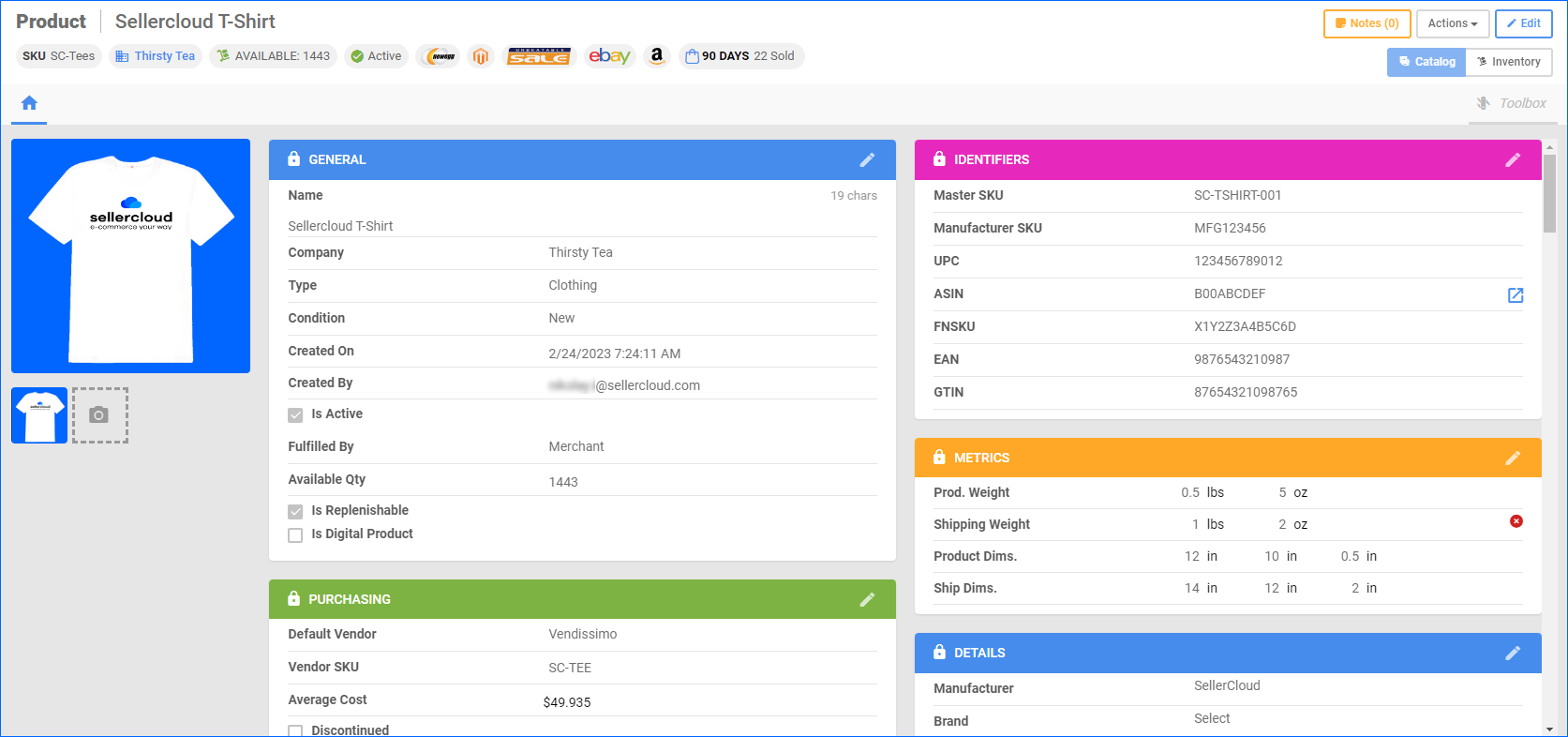
Use a centralized product information management (PIM) system, such as Descartes Sellercloud, to keep listings and product information updated on all sales channels. A PIM solution provides one source of truth for all data and automatically syncs listing updates to all channels.
Here’s an example of a product listing within a PIM system. Along the top, you can see the channels this listing is synced with. Any updates to the product information here will automatically update the listing information on all connected channels.
What’s the best way to manage inventory and orders for multiple sales channels?
For small businesses, a multichannel inventory management system (IMS), such as Descartes Finale, is the best way to manage inventory and orders for multiple sales channels.
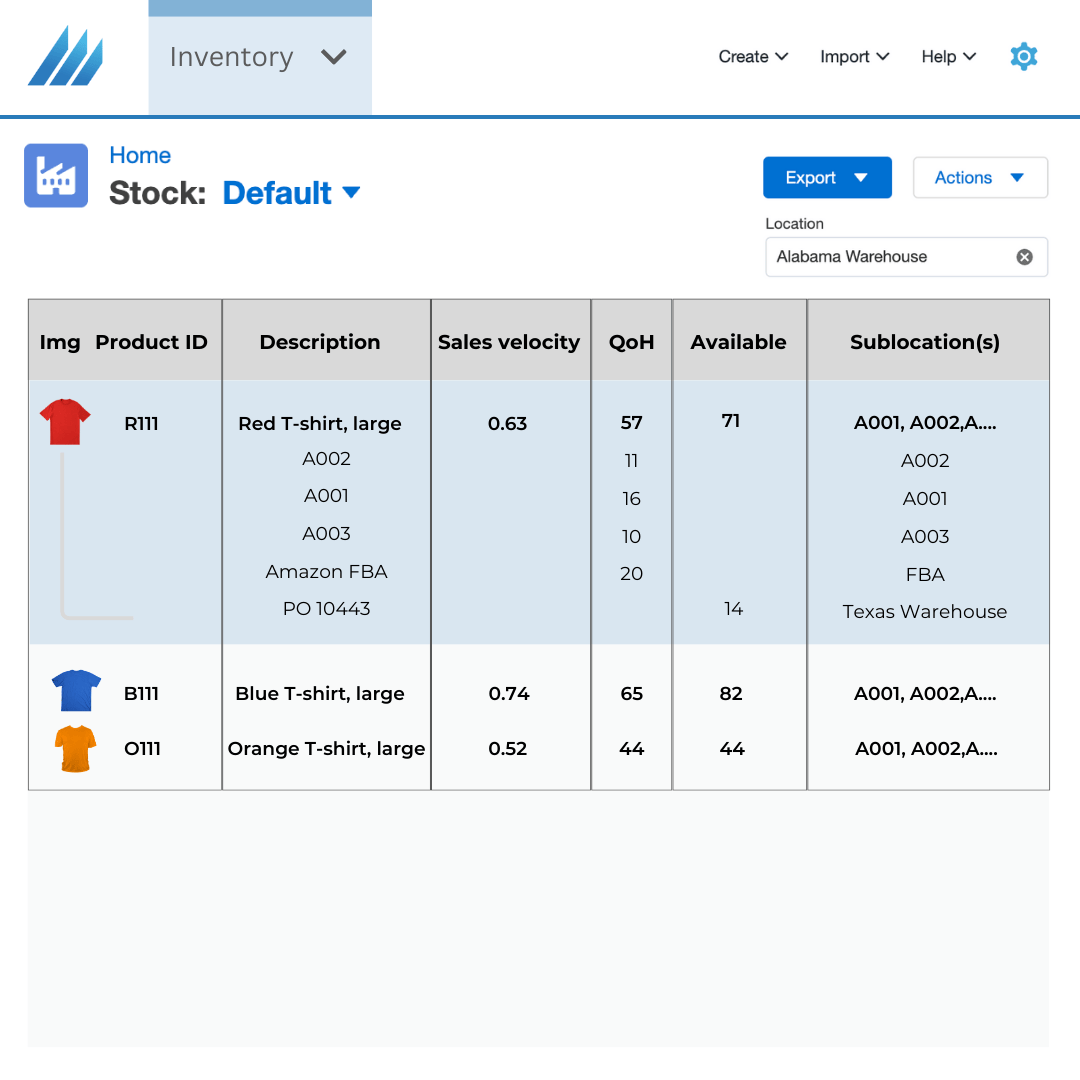
Fast-growing small to mid-sized ecommerce businesses should use an all-in-one ecommerce operations system, such as Descartes Sellercloud. Higher order volumes and complex inventory management require a more robust system than a standalone IMS.
Whichever system you use, choose tools that sync inventory across locations and platforms in real time. Also, look for business automation tools to optimize operational costs and efficiency.
Ready to see inventory and order management software in action?
How can I fulfill more orders without increasing headcount?
To increase warehouse throughput, which is the number of orders your warehouse can fulfill and ship each day, leverage software solutions. By using integrated warehouse technology, such as an all-in-one ecommerce operations platform, you can increase efficiency without hiring more workers.
Ways to fulfill more orders with warehouse technology include:
- Automate shipping label creation, rate shopping, and carrier selection.
- Guide picking routes with a mobile warehouse management system.
- Eliminate manual data entry and key entry errors with barcode scanning.
- Unify disconnected systems with software integrations.
- Sync inventory levels and listings with ecommerce operations software.
- Track worker productivity with warehouse performance dashboards.
Real-world example: BW Retail increased warehouse throughput 4x
“The throughput and the productivity were 4x the amount with the WMS solution.”
–John White, Director of Warehouse Operations, BW Retail Solutions

Founded in 2017 as a partnership between two long-standing family businesses, BW Retail Solutions today is an ecommerce retailer primarily focusing on the power sports and lawn and garden industries.
With the business growing 30-40% per year, manual fulfillment practices began to impinge on warehouse efficiency and didn’t allow the business to scale easily.
To take fulfillment operations to the next level, BW Retail deployed Descartes solutions. The results were compelling:
- 4x warehouse throughput
- 45-60% improvement in labor efficiency
- Dramatic improvements in pick/pack/ship accuracy
- Ability to easily flex seasonal labor and train employees quickly
How does Descartes support multichannel ecommerce growth?

1,000+ ecommerce businesses trust Descartes ecommerce operations software to support multichannel growth. Descartes provides purpose-built solutions for problems like overselling and underselling, late orders, costly shipping, multichannel complexity, and marketplace compliance.
Purpose-built solutions for every stage of business growth
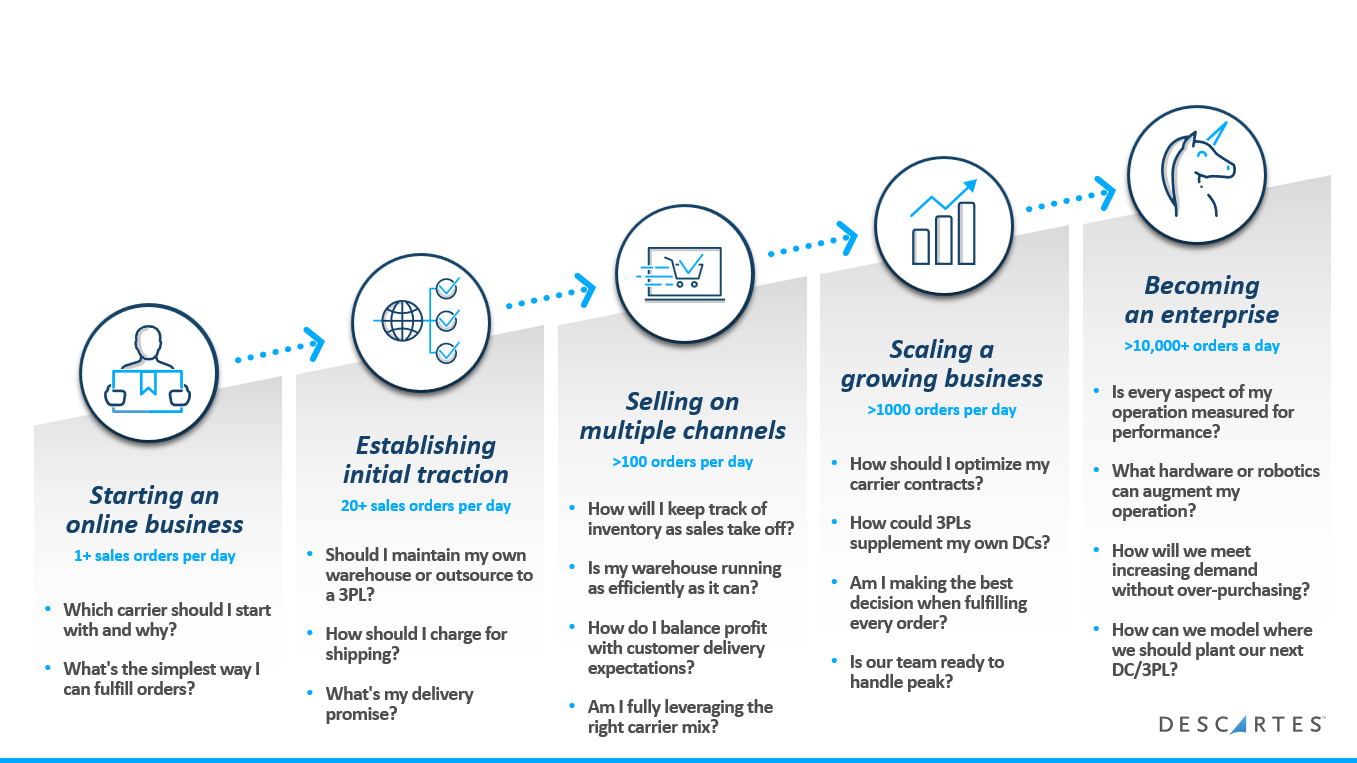
From early-stage sellers to complex enterprise operations, online sellers appreciate the scalability of Descartes technology. Instead of shoving everyone into a one-size-fits-all solution which really fits nobody, Descartes tailors each tech stack to perfectly fit each business’ needs.
Descartes solutions for multichannel ecommerce

Descartes offers a suite of integrated ecommerce software solutions to support multichannel ecommerce sellers. 1000+ businesses trust us as the source of truth for ecommerce operations.
Descartes offers an all-in-one ecommerce operations platform, Descartes Sellercloud. We also provide:
- Multichannel inventory sync with Descartes inventory management systems
- Product information management with Descartes listing and catalog solutions
- Automated shipping workflows with Descartes multi-carrier shipping software
- Warehouse optimization with Descartes warehouse management systems
- ERP integration with Descartes WMS and shipping solutions for NetSuite
Our ecommerce experts work with you to build the right tech stack based on your unique business challenges. The goal? To help you easily add new sales channels, manage operations, and control costs as you sell more online.
Key takeaways
- Multichannel and omnichannel are not the same thing, though people often use the terms interchangeably.
- Multichannel ecommerce is a low-cost, low-barrier-to-entry way to reach a wider audience online.
- Without the right systems in place, adding more sales channels can lead to operational issues.
- Ecommerce operations software supports multichannel growth by scaling fulfillment workflows without hiring.
- Descartes helps ecommerce businesses add more sales channels while avoiding operational challenges.
Ready to avoid overselling and start scaling with Descartes?
I want to sell more online.
Ready to see how Descartes solutions can help you add new sales channels, manage operations, and control costs?
Fill the form to request a demo now.