
Fleet Performance Management
Fixed Route Planning
Predetermined routes that deliver consistent service, reduce costs, and retain drivers.
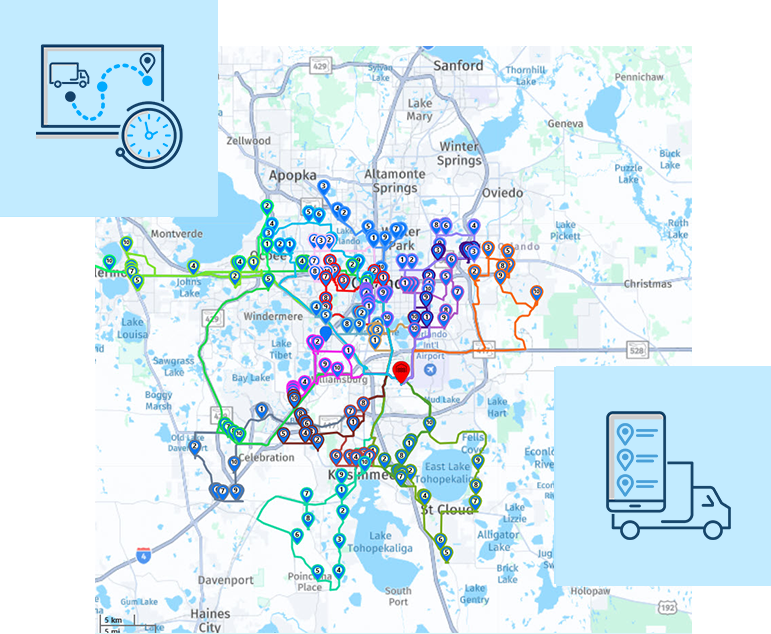






Efficiency Through Fixed Route Planning
Route planning that drives efficiency and controls costs.
- Reduce costs with optimized, repeatable routes
- Balance workloads more effectively across drivers
- Establish a structured foundation for route execution
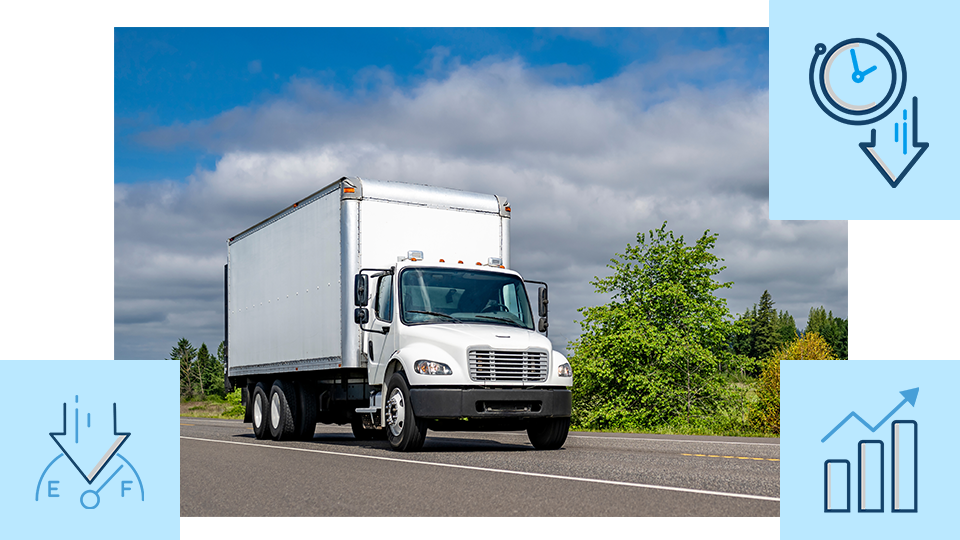
Stronger Service & Business Outcomes
Fixed route planning supports consistent service delivery and long-term business performance.
- Ensure reliable, predictable customer service
- Improve customer satisfaction with consistent visitation schedules
- Increase profitability while supporting driver retention
Connect Design, Planning and Execution
Build feasible routes and execute them according to plan.
- Strategically design routes that meet demand
- Refine routes using daily planning tools
- Track progress and use data to build realistic plans

More Route Planning Solutions

Strategic Planning
Make long-term decisions on routes and fleets.

Daily Planning
Optimize routes to reduce miles, time, and cost.
Hybrid Planning
Combine fixed and dynamic routing.
Ready to improve delivery performance?
Connect with our team to get started and see how Descartes can help you streamline routes, reduce costs, and consistently deliver on time and in full.
Featured Resources


Fixed Route Planning FAQs
Fixed route planning, also known as predetermined, static, or master routing, is the process of creating predetermined delivery or service routes that remain consistent over time. These routes are designed to optimize efficiency, ensure regular customer visits, and provide predictable schedules for drivers.
Fixed route planning helps businesses reduce costs, improve operational efficiency, and deliver consistent customer service. It also supports better workload balance for drivers and improves retention by providing predictable schedules.
By using predefined routes and schedules, customers receive deliveries or services at consistent times. This reliability increases trust, satisfaction, and overall service quality.
Fixed route planning is commonly used in wholesale distribution including food, beer and beverage distribution and any industry with recurring customer visits or scheduled service routes.
Fixed route planning uses strategic planning software to build predetermined routes that stay consistent, while dynamic route planning adjusts routes in real time based on factors like traffic, new orders, or cancellations. Fixed routing prioritizes consistency, while dynamic routing focuses on flexibility.
Modern distributors opt for a hybrid route planning approach. Key customers are served using predictable fixed routes, while other customers and ad hoc orders are added dynamically to improve route density.
It reduces fuel usage, planning time, and operational inefficiencies by standardizing routes. Over time, businesses can optimize these routes further, leading to long-term cost savings.
Yes, predictable routes and reduced overtime make drivers’ jobs more stable and less stressful. This consistency can lead to higher job satisfaction and improved driver retention.