Descartes Customs Compliance Solutions
Customs Warehouse UK
Enhance compliance, optimise cash flow, and streamline your UK customs warehouse operations with Descartes Customs Warehouse Management.






Streamlined Customs Warehouse Operations
Upfront duty payments, strict compliance demands and manual processes make customs warehousing complex and costly.
Descartes Customs Warehouse Management streamlines operations with automation, real-time visibility and seamless integration - helping you reduce risk, optimise cash flow and simplify compliance.

Benefits of using Descartes Customs Warehouse Software
- Easy Stock Management
Seamless customs inventory control with less manual work and greater accuracy. - Flexible System Integration
Connect easily with ERP or other systems, or use manual input if needed. - Cost Saving Smart Picking
Reduce duty expenses with intelligent stock selection. - Streamlined Import & Export Process
Take full advantage of tariff reductions and trade agreements. - Comprehensive UK Excise Solution
All-in-one excise features including EMCS, returns and ATWD integration.

Customer Success: Scaling a customs bureau with Descartes customs software

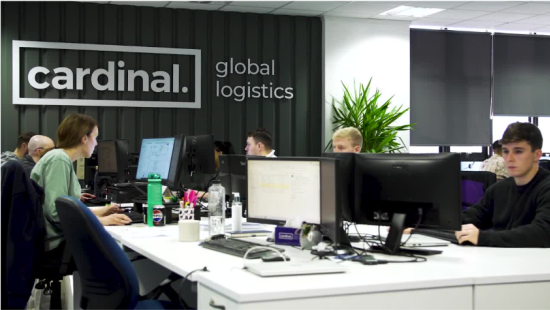
“Managing customs declarations is increasingly complex and manually handling thousands of entries monthly is time-consuming and prone to error. Descartes customs software has allowed us to scale our operations and improve our customer experience.”
Karl Heron,
Head of Bureau Services at Cardinal Global Logistics.
“With Descartes customs software we moved from an on-premise setup to a fully cloud-based solution. This has freed up internal resources, reduced the need for server maintenance, and ensured high uptime with continuously updated software - allowing us to focus more on our core business.”
Morten Nielsen
Transport and Project Manager at Audionord

What are the costs of customs software?
Discover the costs of integrating into a customs management software solution. We break down pricing and explain how our solution is structured, helping businesses make informed decisions.
What are the key differences between a Customs and Bonded Warehouse and an Excise Warehouse?
In the UK, Customs Warehouses and Excise Warehouses both allow goods to be stored without paying certain taxes immediately, but they’re for different types of goods and under different rules. Here’s the breakdown:
| Customs Warehouse | Bonded Warehouse | Excise Warehouse | |
|---|---|---|---|
| Main purpose | Suspend customs duty & import VAT | General term for duty-suspended storage | Suspend excise duty |
| Goods covered | Imported goods not yet in free circulation | Both customs excise goods (depends on type) | Alcohol, tobacco & oils |
| Taxes suspended | Customs duty + import VAT | Customs duty, VAT, excise (depending on context) | Excise duty only |
| Authority | HMRC (customs authorisation) | HMRC (general bonded status) | HMRC (excise warehousekeeper license) |
| Common use | Imported goods awaiting clearance or re-export | Catch-all term, often used to mean customs warehouse | Alcohol/tobacco/ fuel stored under duty suspension |
Customs Warehouse Software FAQs
Customs warehousing is especially useful for goods that are imported for storage before being sold or re-exported. It is well suited for products with longer storage times, goods awaiting onward distribution, or items that may be re-exported without entering free circulation. By keeping these goods under customs control, businesses can defer or even avoid duty and VAT payments.
At Descartes we believe streamlining your import and export trade management is the best way to improve productivity and increase financial stability thereby increasing your bottom line. If you’re importing goods into the UK using a Customs Warehouse, this can help both defer the payment of duty and VAT on imports and negate the need to pay duty twice on items that you ultimately intend to export again. Duties will become payable when products are delivered onto their next destination.
With Descartes customs software solutions you can:
- Create stock independently or from an import declaration.
- Use smart picking to ensure the most duty efficient stock is picked.
- Handle stock amendments and adjustments.
- Integrate with ERP/Commercial Systems or manual.
- Create import declarations or appropriate periodic reports based on outbound orders/removals.
While customs warehousing can ease cash flow pressures, businesses need to be aware of the strict compliance requirements and additional administrative responsibilities. Authorisations, accurate reporting and careful cost management are essential to realise the full benefits.
If goods stored in a customs warehouse are re-exported rather than released into free circulation, no duty or VAT is paid on them. This prevents businesses from paying unnecessary charges on goods that do not remain in the domestic market, saving money and protecting cash flow.
Effective customs warehouse management strengthens compliance by ensuring goods remain under customs control and are accurately tracked until released or re-exported. It also increases efficiency by reducing manual processes, improving inventory visibility, and making it easier to align with regulatory requirements.
Insights & Resources for UK Customs
Stay informed with expert blogs and practical content covering customs & regulatory solutions for the UK market.